Science, Nature & Conservation | Page 2 | Golden Skate

Science, Nature & Conservation

Bhutan, a carbon negative country, isnt perfect, but by law half the country has to be left in trees. Its national parks are connected by wildlife corridors. It stopped mountain climbing, citing all the garbage the garbage climbers left behind. https://afocosec.org/newsroom/news/...y-in-bhutan-current-situation-and-challenges/

BTW, the royal family of Bhutan are all highly educated and many join the government in fighting for environmental issues.

 
Last edited:
Google Ask>>>
Yes, microplastics can contain BPA and other chemicals. Microplastics are tiny plastic particles that result from the breakdown of larger plastics, and they can carry various chemicals, including BPA (bisphenol A). Studies have shown that bottled water is a major source of microplastics, and these microplastics can carry pollutants like BaP (benzo[a]pyrene). The presence of microplastics in bottled water and other products can pose health risks due to the potential for these particles and their associated chemicals to be ingested.
Here's a more detailed explanation:
Microplastics and BPA:
Microplastics are often formed from the breakdown of larger plastic products, and they can contain or adsorb chemicals like BPA, which used to be common in baby bottles and food containers.
Microplastics and Other Chemicals:
Besides BPA, microplastics can also contain or adsorb other chemicals, including phthalates, PFAS (per- and polyfluoroalkyl substances), and other pollutants.
Source of Microplastics:
Bottled water is a major source of microplastics, and these microplastics can carry pollutants like BaP, which can pose health risks upon ingestion.
Health Risks:
The presence of microplastics and the chemicals they carry raises concerns about potential health effects, such as inflammation, damage to the intestinal wall, and even systemic inflammation, according to a study published by The Cool Down.
<<<
Plastic is evil. I have sailed through a sea of plastic midway between San Diego and Hawaii. The great garbage patch. On a cruise ship, plastic is evil. The cruise lines are so big, anyone who wants to sell to them better supply their water and beer in an aluminum can. Or at the very least, glass, but that is undesirable. There are only bamboo straws and if you are quarentined to your room, you get wood utensils.
 
Something similar..
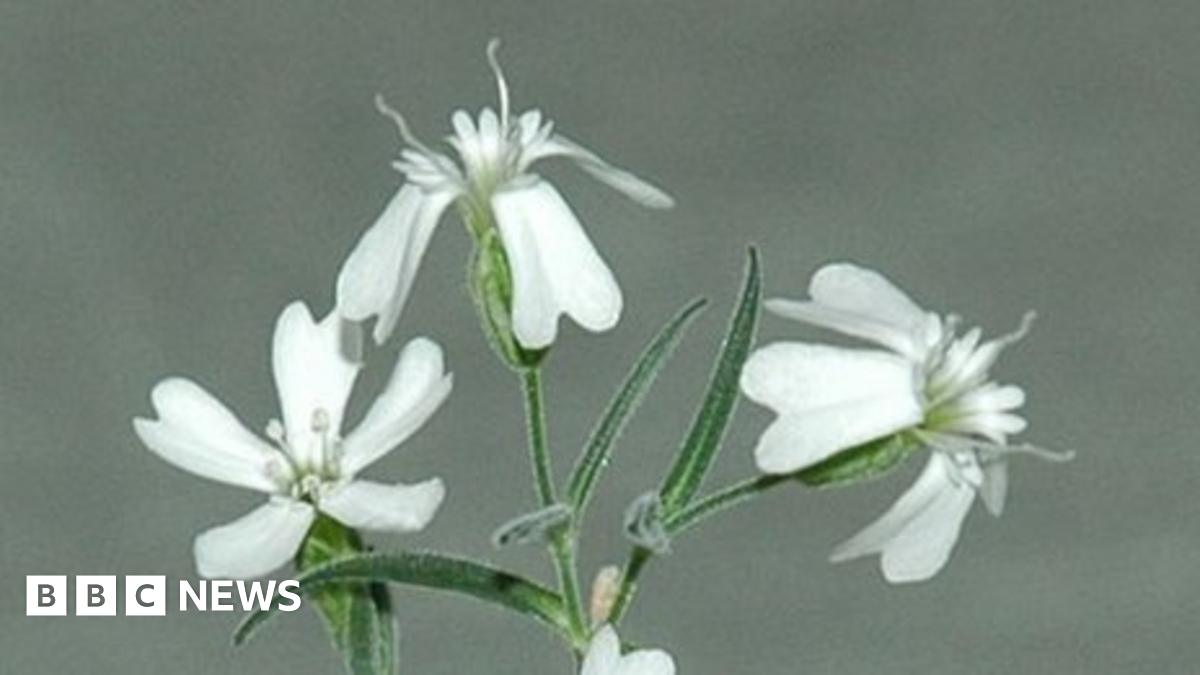
Samples excavated from Siberia
I guess exploring ancient specimens is the new frontier..

 
Last edited:
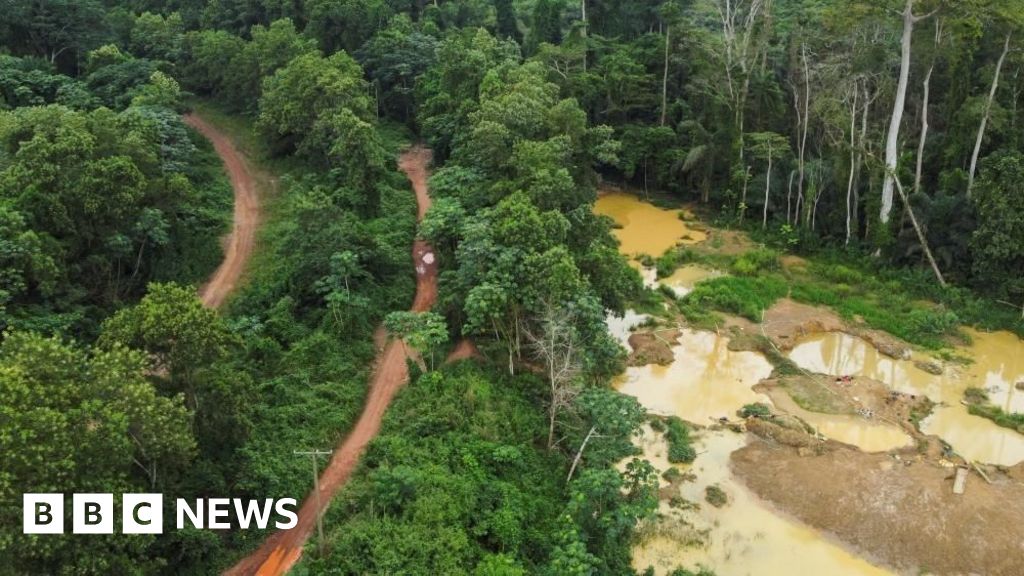
The gold mining industry are poisoning our fish with the
Mercury ?

Google AI Ask >>>

The identification of the phenomenon of biomethylation in the marine environment has shown that environmental pollution of mercury metal is responsible for the incorporation of organic mercury into the food chain. Mercury is a “cumulative” toxic that accumulates in organisms over time: it is called bioaccumulation
May 1, 2025. >>>
 
Google AI Ask >>>

the Great Pacific Garbage Patch (GPGP) is an area in the North Pacific Ocean that's roughly twice the size of the state of Texas and contains a massive accumulation of plastics and other debris. The GPGP, located halfway between Hawaii and California, is the largest accumulation zone for ocean plastics, with an estimated 1.8 trillion pieces of plastic, weighing nearly 80,000 tonnes. While it's often visualized as a solid island of garbage, the GPGP is more like a swirling soup of plastics, including microplastics, macroplastics, and other debris.
Here's a more detailed look:
Size:
The GPGP covers an estimated 1.6 million square kilometers, which is about twice the size of Texas.
Composition:
The GPGP contains a vast amount of plastic, including microplastics (smaller than 5mm), macroplastics (larger pieces), and other debris.
Location:
It's located in the North Pacific Subtropical Gyre, a large circular current system.
Impact:
The GPGP poses a significant threat to marine life, as they can ingest or become entangled in the plastic debris.
Cleanup efforts:
Several organizations are working on cleanup efforts, including The Ocean Cleanup, which has developed a system for collecting floating plastics.
<<<
 
Plastic waste glutting our environment is catastrophic, beyond disgusting. As one who is a die hard recycling maniac, I am fortunate enough to outdoor compost everything that can be. Our “Town Dump” is phenomenal, dedicated to separating out recyclables… metals with metals, glass, batteries etc.., useable used furniture clothing is repurposed donated, non useables reduced to environmentally friendly waste. The BIG problem is plastics! I am forever astonished how much I encounter in monthly shopping, even after frequenting stores that use sustainable practices.
I cut up plastics as small as possible.. all wrappers, bags etc - anything that could trap an animal in any way - but even this is impossible to get rid of… it lives in the environment for hundreds of years. Plastics really need to be outlawed at the manufacturing level but, until more cost-effective sustainable packaging is made available, I do not see this happening in my lifetime.. a tragedy.. but the baby steps have begun: on leaving my favorite restaurant with my “doggy bag” container the other day I was elated to find not the usual styrofoam (evil stuff!!) but biodegradable thin paper container that could be torn up and added to a compost pile. Someone is thinking 🤔
 
Google AI Ask >>>

the Great Pacific Garbage Patch (GPGP) is an area in the North Pacific Ocean that's roughly twice the size of the state of Texas and contains a massive accumulation of plastics and other debris. The GPGP, located halfway between Hawaii and California, is the largest accumulation zone for ocean plastics, with an estimated 1.8 trillion pieces of plastic, weighing nearly 80,000 tonnes. While it's often visualized as a solid island of garbage, the GPGP is more like a swirling soup of plastics, including microplastics, macroplastics, and other debris.
Here's a more detailed look:
Size:
The GPGP covers an estimated 1.6 million square kilometers, which is about twice the size of Texas.
Composition:
The GPGP contains a vast amount of plastic, including microplastics (smaller than 5mm), macroplastics (larger pieces), and other debris.
Location:
It's located in the North Pacific Subtropical Gyre, a large circular current system.
Impact:
The GPGP poses a significant threat to marine life, as they can ingest or become entangled in the plastic debris.
Cleanup efforts:
Several organizations are working on cleanup efforts, including The Ocean Cleanup, which has developed a system for collecting floating plastics.
<<<
I have seen it from a cruise ship...
🌊
Japan’s Breakthrough Bioplastic: Dissolves in Water, Feeds the Earth
🌱

Japanese scientists at RIKEN and the University of Tokyo have unveiled a revolutionary biodegradable plastic that not only dissolves in seawater but also enriches the soil with vital nutrients!
🔬
Led by Dr. Takashi Nishikawa, the team created this eco-friendly material using food-safe compounds and guanidinium-based monomers. It forms salt bridges that keep it stable—until it hits seawater, where it dissolves in hours with zero microplastic residue. In soil, it fully breaks down in 10 days, releasing phosphorus and nitrogen to boost plant growth.
♻️
Highlights:
Non-toxic, non-flammable & carbon-neutral
91% of compounds & 82% of monomers can be reused
Supports circular economy
🌾
Applications include:
Biodegradable mulch films & seed coatings
Sustainable fishing nets & ropes
Eco-packaging, food containers & cutlery
This innovation isn’t just plastic—it’s a potential global solution to pollution and soil degradation.
#BiodegradablePlastic #SustainableInnovation #JapanTech #RIKEN #EcoFriendly #PlasticPollution #CircularEconomy #GreenTech #SoilHealth #CleanOceans #technology
 
The gold mining industry are poisoning our fish with the
Mercury ?

Google AI Ask >>>

The identification of the phenomenon of biomethylation in the marine environment has shown that environmental pollution of mercury metal is responsible for the incorporation of organic mercury into the food chain. Mercury is a “cumulative” toxic that accumulates in organisms over time: it is called bioaccumulation
May 1, 2025. >>>
Many types of mining are bad. It takes four times the mining to make an EV car than an ICE car. Lakes in the pristine Pacific North West have lakebeds polluted with toxic metals due to all the mining....


Google >>>
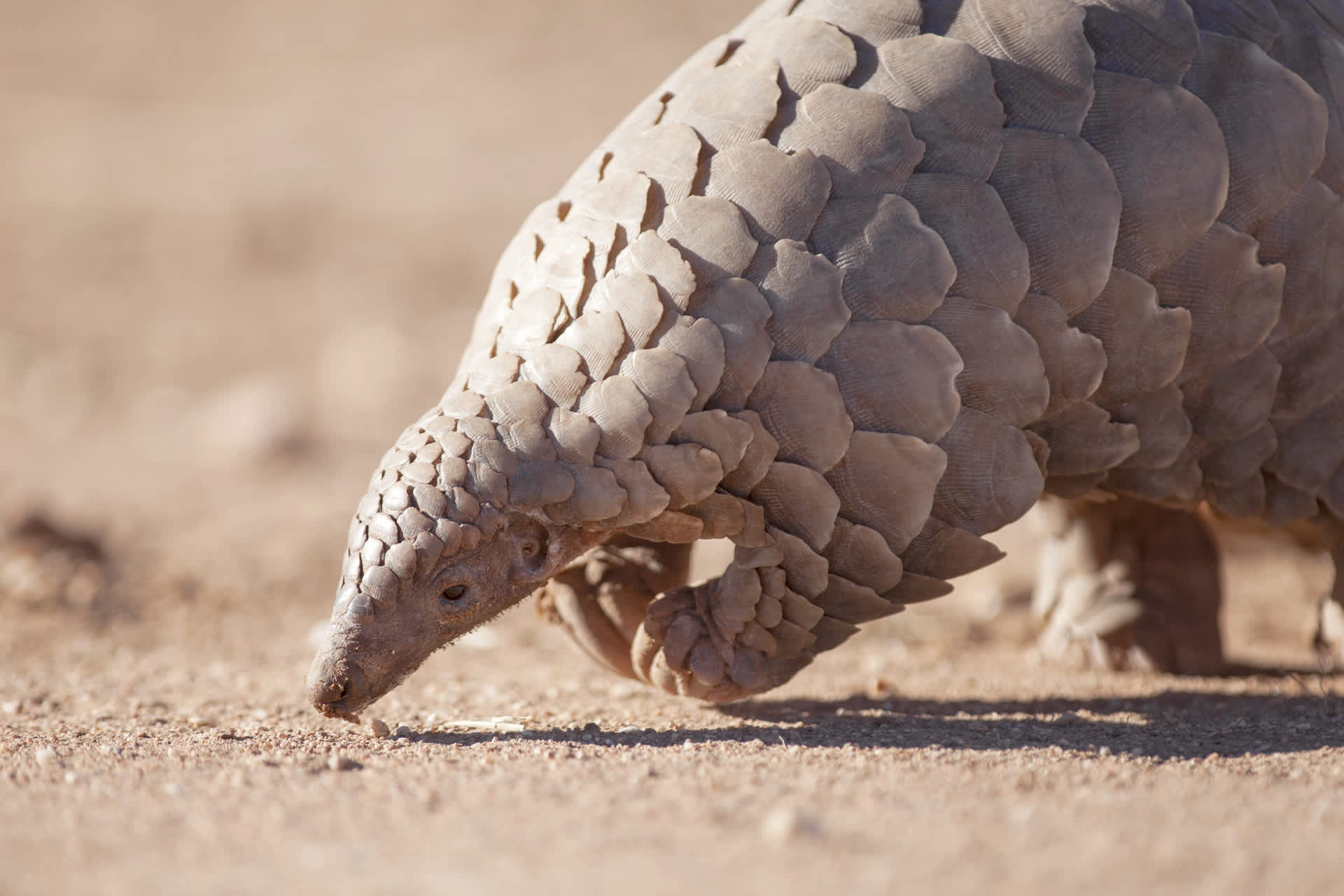
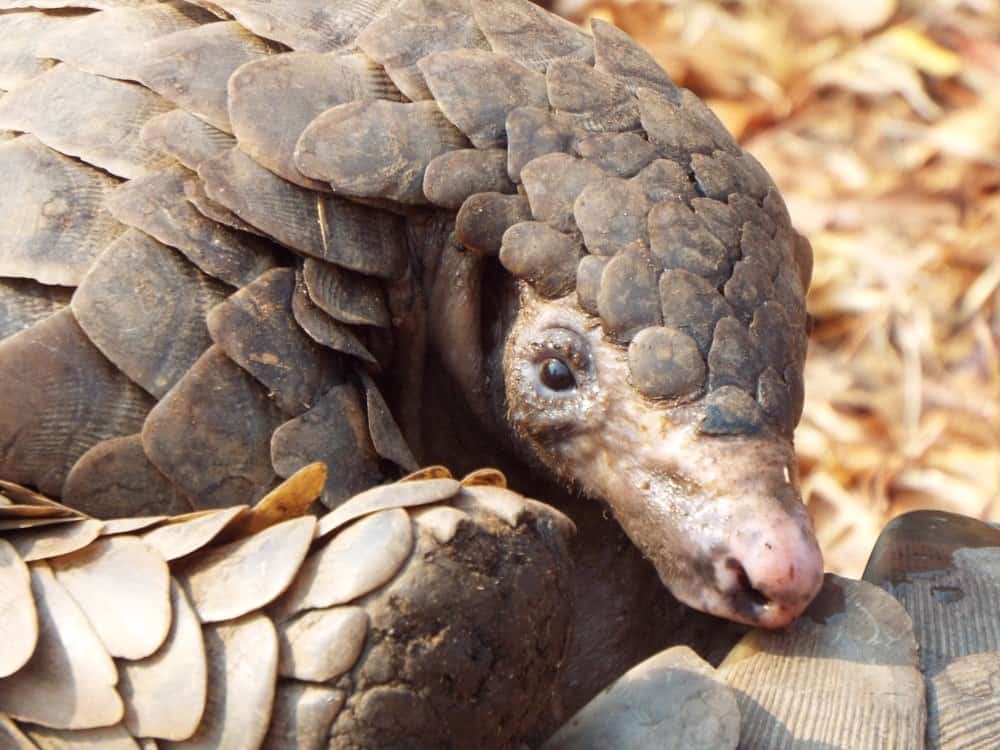
There are eight species of pangolins, which are mammals known for their unique, scale-covered bodies. Four of these species are found in Asia, and four are found in Africa. All eight species are facing threats from illegal wildlife trade.
>>>

 
From Google...
World Pangolin Day is celebrated on the third Saturday of February each year to raise awareness about pangolins and the threats they face, particularly illegal hunting and trade. In 2025, it will be observed on February 15th. The day aims to highlight the importance of pangolins in their ecosystems and encourage conservation efforts to protect these unique, scaled mammals.

Here's why World Pangolin Day is important:
  • Most Trafficked Mammal:
    Pangolins are the most trafficked mammals in the world, primarily due to the demand for their scales in traditional medicine and their meat as a delicacy.

  • Threatened Species:
    All eight species of pangolins are facing threats, with six being critically endangered.

  • Ecosystem Role:
    Pangolins play a vital role in their ecosystems by controlling insect populations, particularly ants and termites, with their long, sticky tongues.

  • Conservation Efforts:
    World Pangolin Day provides an opportunity to support organizations working on pangolin conservation, raise awareness about the illegal trade, and advocate for stronger laws and regulations.
You can participate in World Pangolin Day by:
  • Donating to pangolin conservation organizations:
    The Pangolin Crisis Fund and WWF are examples of organizations working to protect pangolins.

  • Educating yourself and others:
    Learn more about pangolins and share information about their plight with friends and family.

  • Supporting sustainable practices:
    Reduce your impact on the environment and support businesses that prioritize sustainability.

  • Spreading awareness:
    Use the hashtag #WorldPangolinDay to share information and support conservation efforts on social media.
 
The four living fossils fish aka Dino fish that live in the Great Lakes like the sturgeon, the gar, the bowfin and probably the reintroduction of the paddlefish to the Great Lakes


Last edited:
The four living fossils fish aka Dino fish that live in the Great Lakes like the sturgeon, the gar, the bowfin and probably the reintroduction of the paddlefish to the Great Lakes


Encouraging …. And enjoyable Sunday afternoon viewing
 
this is not a scientific post

but this summer has been crazy in Montreal.

Heat waves.
Bad air quality from the forest fires up north.
Not very much rain, but when it did fall, it was so intense that apartments and even roads were completely flooded.

For the firs time ever, some of the plants I use in my garden just burned from the sun.

I am now growing lemons on my balcony.... (of course, they will come inside soon)
 
Back
Top