
Navigation
Install the app
How to install the app on iOS
Follow along with the video below to see how to install our site as a web app on your home screen.
Note: This feature may not be available in some browsers.
More options
You are using an out of date browser. It may not display this or other websites correctly.
You should upgrade or use an alternative browser.
You should upgrade or use an alternative browser.
Shoma Uno
- Thread starter rabidline
- Start date
More options
Who Replied?


- Joined
- Aug 16, 2018
I have been down with a cold this week but saw this on my Twitter feed today! Shoma's commentator days from Japanese Nationals 2024 (as well as some 2019 and 2020 footage), in Rio Nakata's TV feature (because Rio won silver at JNats 2024 while Shoma was commentating and Rio has talked about how he looks up to Shoma since very very small):
It's very cute. And look how tall Rio has gotten as opposed to Shoma
It's very cute. And look how tall Rio has gotten as opposed to Shoma
- Joined
- Aug 16, 2018
Shoma is busy skating (he's going to a training camp with Marin right now) but... he still had time to throw another banger tweet  first time reaching more than 600k likes
The joke here is Shoma saying to his own Pokemon that the Pokemon needs to step aside after failing a triple axel attack and just... let Shoma himself do the attack with his 3A Truly a joke only he can make (and prepared well for it).
It inspired some great fanarts too, including from Shoun Makise, the writer of the manga "Please Look After the Dragon" :
first time reaching more than 600k likes The joke here is Shoma saying to his own Pokemon that the Pokemon needs to step aside after failing a triple axel attack and just... let Shoma himself do the attack with his 3A
Truly a joke only he can make (and prepared well for it).It inspired some great fanarts too, including from Shoun Makise, the writer of the manga "Please Look After the Dragon" :
- Joined
- Aug 16, 2018
Sportiva Shueisha has a series of articles based on their recent interview of Shoma:
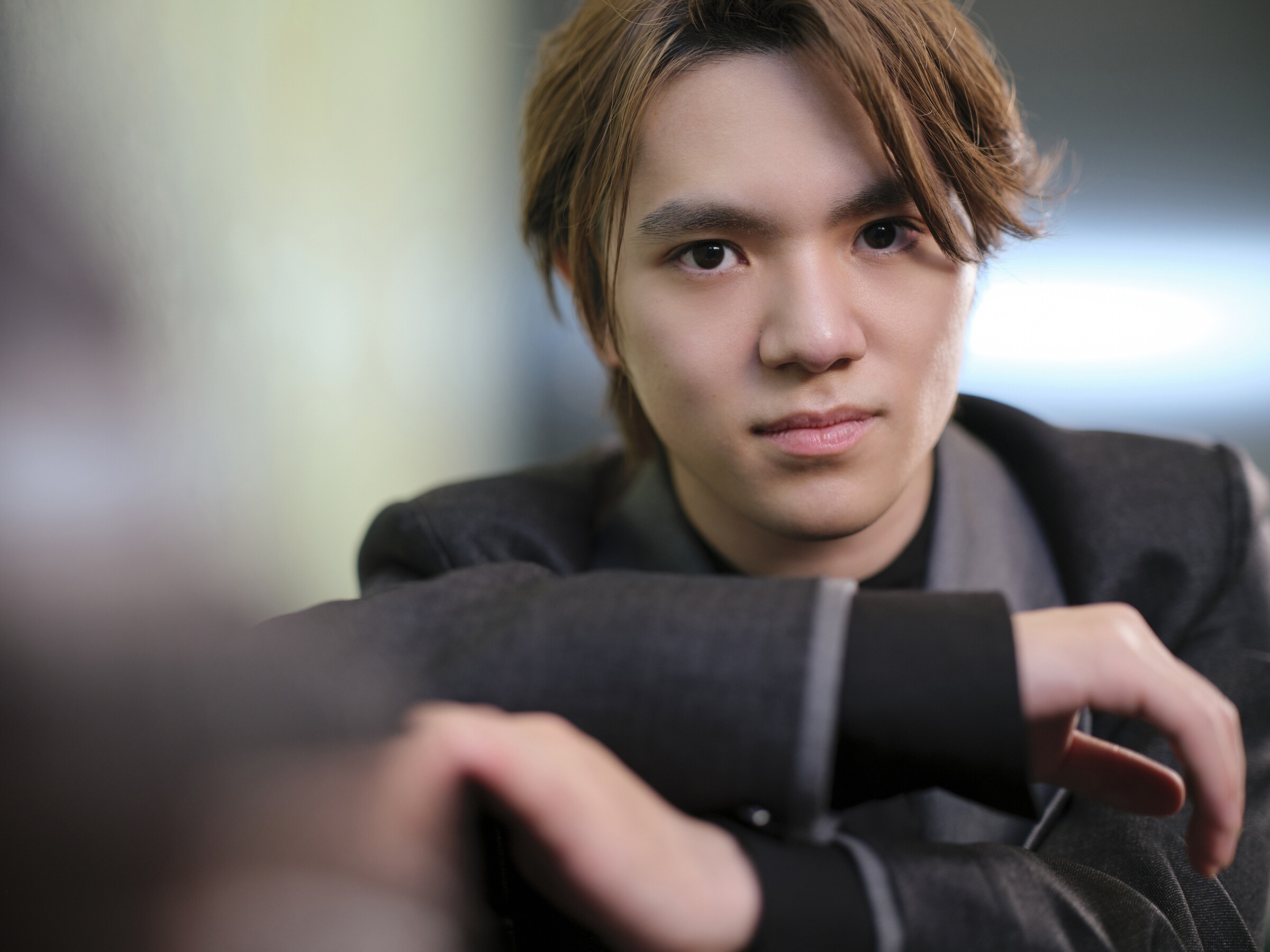
 sportiva.shueisha.co.jp
宇野昌磨インタビュー アイスショー『Ice Brave』の今後を語る ターニングポイントはいつだったのか
アイスショー『Ice Brave』をプロデュースした宇野昌磨 photo by Sunao Noto(a presto) 4月4日、東京。ユナイテッド・シネマ アクアシティお台場で、宇野昌磨(28歳)は劇場版『Ice Brave 新横浜…
sportiva.shueisha.co.jp
Talking about the future of the ice show Ice Brave — when was the turning point?
On April 4 in Tokyo, 28-year-old Shoma Uno had just finished a stage greeting for the theatrical version of Ice Brave: Shin-Yokohama Special Edition. Afterwards, he was in the backstage area giving one interview after another to the press.
“Counting from yesterday, this is my eighth interview. I’m getting tired.”
That kind of honesty is very like him. Yet his skin looked radiant, his eyes were bright, and his expression fulfilled. His movements were graceful, with even a hint of charm. And during interviews, he never breaks eye contact. He clearly understands how many people are involved in making Ice Brave a success. Even if he jokes about being tired, his professionalism is evident.
On stage, it was also announced that the third installment, “Ice Brave – A TURNING SEASON –,” will begin in July. Since the project was first announced in March 2025, reaching a third production in just one year is remarkable—it could only be achieved with tremendous passion.
What Ice Brave means to Uno
For Uno, what exactly is Ice Brave? The interview explores the “history” of how a team—something more than friends, but not quite family—came to be.
— In March 2025, it was announced that you would produce Ice Brave. Now, just one year later, a third installment has been announced. That’s an incredible pace.
Uno: “It really is surprising. About a year has passed. Looking back, it’s been such a dense season for me. Just like the athletes who went through the Olympic season (Milano–Cortina), this past year has been very intense for me too.”
— If you could go back and talk to yourself from a year ago, what would you say?
Uno: “Hmm… even if I did, I think my past self would just get annoyed (laughs). At that time, I hadn’t experienced success yet. If I had made choices I regretted, I might want to go back and change things—but while there were failures, there aren’t many decisions I truly regret.”
— As the leader, there must have been a lot of trial and error. Was there a turning point where things started to connect?
Uno: “Before creating the first Ice Brave, to be honest, I didn’t think ‘I want to keep doing this with the same members.’ Of course, I thought they were a good group when I gathered them, but adding or changing members was always an option.
After starting the first show and continuing performances…”
— Touring multiple cities, was there a moment when you felt a connection with the members?
Uno: “I wonder when it happened… Before I realized it, I just felt, ‘I want to do this with these members.’ But it wasn’t that early. Even if someone had told me, ‘You should change the members,’ I eventually reached the point where I’d say, ‘No, I want to do it with this group.’ That was probably around the time Ice Brave 2 started… or just before it.”
◆ On being a producer
— As the producer and leader, did you aim to elevate others even if it meant reducing your own spotlight?
Uno: “I’m not sure about that. The basic idea was for both everyone’s performances and my own to become better. During the first show, I did evaluate people a lot—thinking about what each skater was good or bad at. But by the second show, I started valuing passion (energy) more than that. Not because I consciously decided to, but because my own passion increased, and everyone else’s did too. The feeling that ‘Ice Brave is fun’ became really strong. That might connect to your earlier question about the turning point.”
— So that ties into your thoughts about the members?
Uno: “Yeah. At first I looked at things analytically, but then I started thinking, ‘I want to do this with these members,’ and ‘I want to help them improve.’ I want them to grow through this show—but I don’t want them to be trapped by it either. Even now, I don’t want that. But in my mind, I’ve kind of fixed it as ‘these are the Ice Brave members.’”
— Like a family?
Uno: “Family… might be a bit much (laughs). But it’s like becoming one team. Not necessarily the strongest or most famous lineup—but like a small, elite group aiming for Koshien together… Sorry, I’ve been watching Ace of Diamond (ダイヤのA , a baseball anime) lately (laughs).”


- Joined
- Jun 2, 2014

Supposedly people are freaking out because they were seen learning the Golden Waltz which is the Rhythm dance for next season..I lowkey guessed it, but Shoma and Marin are rumored to be at IAM Montreal right now. My personal guess is they're working on a new program for the show over there (maybe new JLB choreo?).
- Joined
- Aug 16, 2018
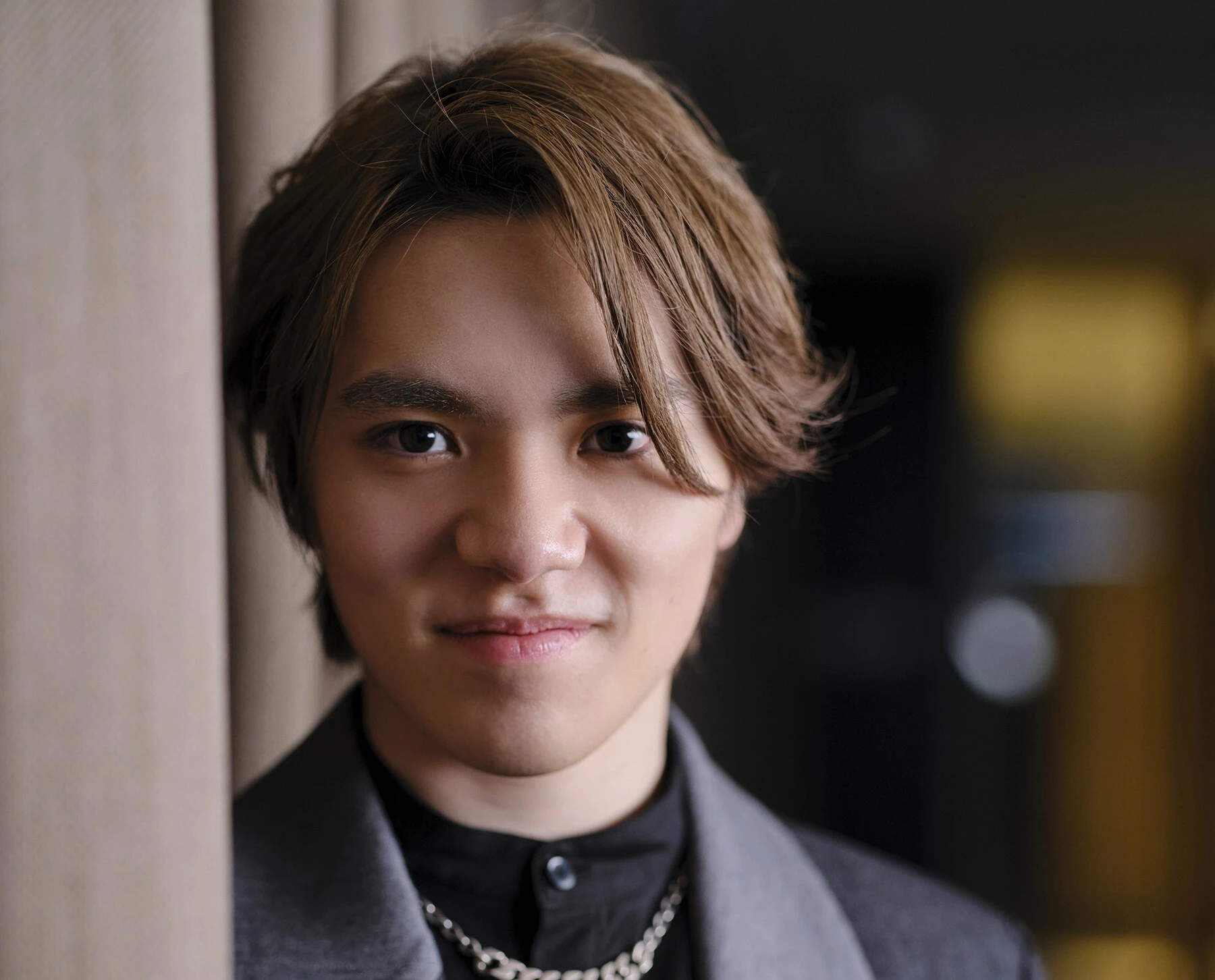
宇野昌磨がアイスショー『Ice Brave -A TURNING SEASON-』に向けて最初に決めたこと 本田真凜とのアイスダンスへの思い
4月4日、東京。ユナイテッド・シネマ アクアシティお台場のスクリーン会場は熱気に満ちていた。司会者に続いて宇野昌磨が壇上に立つと、一気に興奮の度合いが高まった。劇場版『Ice Brave 新横浜 Special Edition』上映の舞台…
sportiva.shueisha.co.jp
Shoma Uno on what he first decided for the ice show Ice Brave -A TURNING SEASON- and his thoughts on ice dance with Marin Honda
Published April 10, 2026
Interview & text by Yoshiyuki Komiya
On April 4 in Tokyo, the screening venue at United Cinema Aqua City Odaiba was filled with excitement. As soon as Shoma Uno stepped onto the stage after the host’s introduction, the energy in the room surged. It was a stage greeting for the theatrical version of Ice Brave: Shin-Yokohama Special Edition, and most of the audience had already seen the show live.
What kind of person is Uno, who captivates so many people?
- “He’s cute and cool!”
- “He has a rich imagination, and the way he uses words is interesting.”
- “He’s always pursued skating, and his work is amazing.”
Fans could go on endlessly about what they love about him, but perhaps the source of his popularity lies in how his personality itself connects directly to his skating.
Regarding the third installment, Ice Brave -A TURNING SEASON-, Uno shared a symbolic thought:
“The content of Turning Season isn’t fully finalized yet, but the very first thing I decided was that I want to do it with the same members. That feeling was very strong in me. Before I knew it, I was thinking, ‘I want to do this with this team.’ Stephane (Lambiel) can’t participate this time, but I want to keep inviting him so he can come back anytime. He said, ‘This team is wonderful, the atmosphere is great. It’s fun, but there’s also seriousness, and above all, you can feel the warmth of the fans.’ I want to keep Ice Brave going for a long time.”
Uno clearly has strong feelings for his teammates. That kindness and sense of bond form the foundation of the show. That energy is amplified through the audience, like a catalyst.
—As a performer, did anything about the audience’s reactions surprise you?
“Honestly, my own sensibilities are kind of off, so I can’t really rely on them (laughs). Before starting Ice Brave, I thought about how to make people want to come see it. I think I understand what appeals to people who don’t usually watch skating—maybe because I didn’t watch it much myself. But I can’t fully grasp the perspective of people who love skating far more than I do. That’s why I pay attention to the audience’s reactions during live shows. Not just my own performance, but which performances moved people—that’s important to me.”
—Your ice dance with Marin Honda seems to have been a big factor in the show’s success.
“I think just doing it was surprising from the start. More than that, though, I think the seriousness of how we approached the challenge mattered. It might sound strange to say about myself, but when you see that kind of seriousness, it makes you want to support it, right? Those moments where you can glimpse genuine effort—that’s what resonates.”
—In the third installment, ice dance will move from a highlight to a central part of the show…
“I didn’t phrase that perfectly, but yes, ice dance will definitely be one of the main elements. That said, even if it’s central, we can’t do ten-plus ice dance programs (laughs). At most, maybe two or three. Even getting one program to a level we could show everyone was really hard at first—it was starting from zero.”
—Will you include programs like ‘Wild Side’ or ‘Four Seasons’?
“I can’t really say yet… (laughs).”
—You’ll add at least one new piece, right?
“Yes, one new one is decided. And as for including one of the previous ones… I feel like I might say too much, so I’ll stop here (laughs).”
—Ice dance is very different from singles, and since it requires coordination with a partner, it must be challenging. Did you ever argue with Marin Honda?
“Haha (laughs). Personally, I wasn’t satisfied with my skating during my singles career… I worked hard on my jumps, and they were at a world-class level—to the point that even if I weren’t myself, I’d still respect them (laughs). In terms of jump quality and technical ability, I think I did really well to reach that level. I was able to get there because of how I practiced and how I thought about things compared to others, so I’m satisfied with that part.
But everything outside of jumps—I’m not satisfied with it at all. Because I feel like ‘I could have done more,’ I can’t fully accept it. And since those parts I couldn’t achieve connect directly to ice dance, that’s why I’m taking on this challenge. The fact that I can still think, ‘There’s so much more I can do,’ I think that’s a really good thing.”
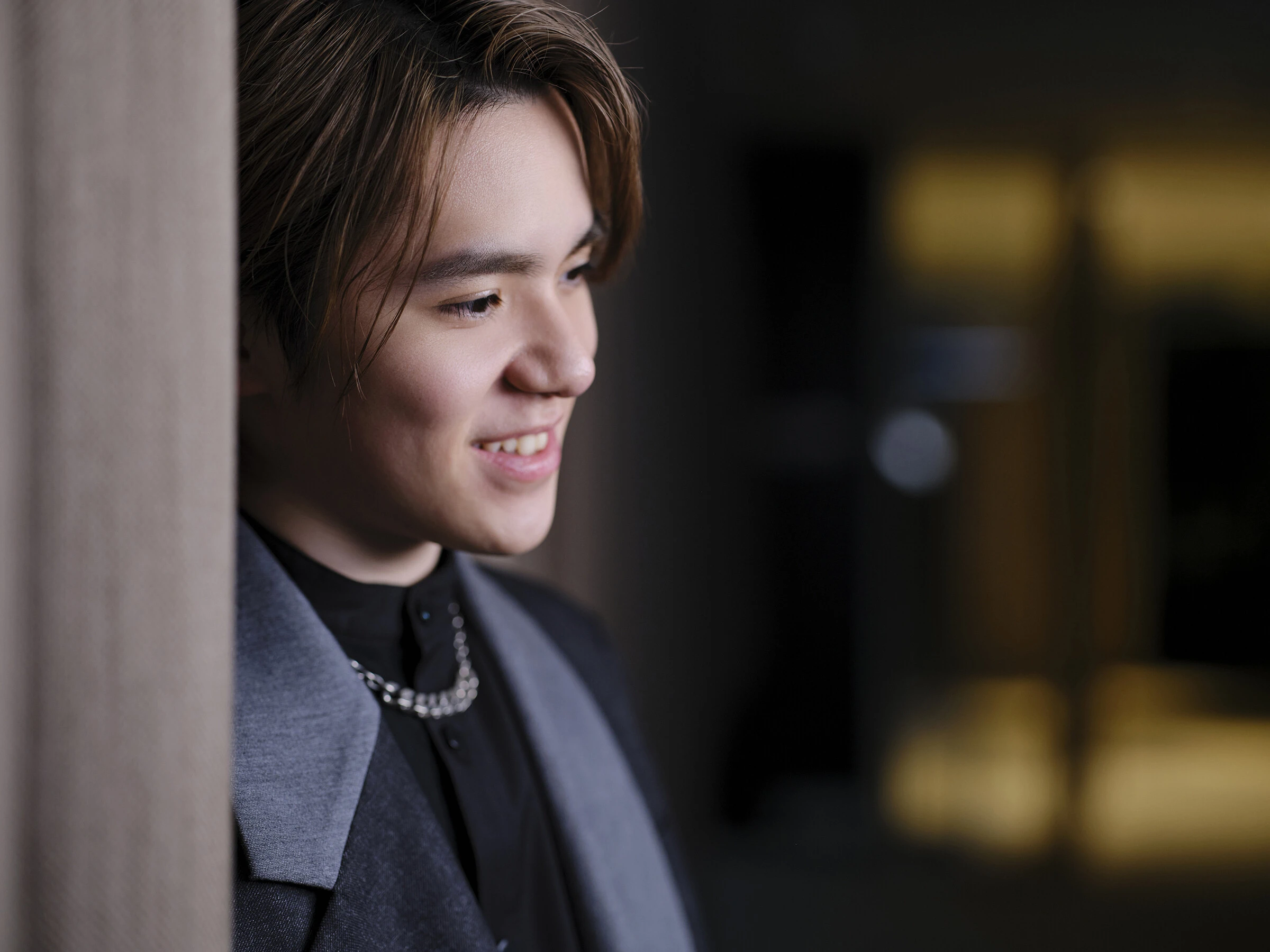
宇野昌磨がミラノ五輪を見てあらためて思ったこと スポーツとしてのフィギュアスケートの魅力とは
4月4日、東京は一面、曇り空だった。時折、耐えきれなくなったように、黒い雲が地面に雨粒を落としていた。外に広がっていた風景は、昼間なのに光を遮られて暗かった。 しかし、劇場版『Ice Brave 新横浜 Special Edition』…
sportiva.shueisha.co.jp
What Shoma Uno realized after watching the Milan Olympics — the appeal of figure skating as a sport
Published April 10, 2026
Interview & text by Yoshiyuki Komiya
On April 4, Tokyo was covered in cloudy skies. At times, as if unable to hold back, dark clouds let raindrops fall to the ground. Even in the daytime, the scenery outside was dim, with the light blocked out.
However, when Shoma Uno appeared on stage for the greeting at the cheering screening of Ice Brave: Shin-Yokohama Special Edition, he wore a bright, cheerful expression and remained as laid-back as ever.
“I’m able to do things freely, and as you can see, I really am doing things freely.”
As Uno said this casually, the venue filled with warm applause. Audience members waved penlights of various colors, holding them up eagerly toward him. Bright lights also shone on him, gathering all attention on the stage’s main figure.
“Ice Brave is now entering its third installment… My motto has always been to ‘keep challenging myself.’ That hasn’t changed since my competitive days. For the show, I’ve been trying to go beyond what people imagine and create something enjoyable. That core idea won’t change for Ice Brave -A TURNING SEASON-. To make it enjoyable for everyone, I’ll keep challenging myself, and I think the other members will also take on challenges.”
Uno has shown an unyielding attitude since his competitive days—overcoming adversity and seizing something beyond it. There were even times he stood on the ice and won the Japan Championships despite being in such bad condition it was painful just to walk.
In the ice show Ice Brave, ice dance can be seen as a new challenge explored in the dark. Uno doesn’t have a fierce, intense demeanor with glaring eyes—but the challenges he takes on are, if anything, even tougher.
“As the lead, at first I thought, ‘I have to lead,’ ‘Nothing will start unless I say something.’ But now, I don’t really have anything to say—I’m just one member, practicing happily every day. At first I was tense, but in the end, what matters is whether we ourselves are having fun. Then the audience can enjoy it, be surprised, and be moved. The most important thing is that the team members get along well.”
The way he speaks almost sounds like the protagonist of a shonen manga.
His unique choice of words has also become evident through his popularity on X (Twitter). During the Milan-Cortina Olympics, his post about “quad god” Ilia Malinin missing a medal after a series of shocking mistakes became a hot topic:
“People often say there are ‘monsters’ at the Olympics, so I think it’s about time everyone learned Zoltraak.”
“Zoltraak” is a spell from the popular manga Frieren: Beyond Journey’s End—originally created by demons to fight humans, later refined by mages into an offensive spell against demons.
“I didn’t think too deeply about that post. I never had the chance to face any ‘monster’ at the Olympics, and I don’t really know what kind of ‘monster’ people are referring to anyway. Like I’ve said on social media, I just thought, ‘Lucky—I get to play games during competitions.’ Like, ‘I’m stuck here for two weeks? That means I can play a ton of games!!’”
He said this jokingly, but it’s not laziness or thick skin. No matter how much he commits to skating, he doesn’t cling obsessively to winning—perhaps it’s a state of understanding that “you can’t do more in competition than what you’ve practiced.” Or perhaps that mindset itself is his version of “Zoltraak.”
That mentality has carried over into his life as a professional skater, though he notes some changes:
“I watch more skating now, probably because I’ve retired. Senior skaters used to tell me, ‘You have to work even harder after retirement,’ but… when I was competing, I’d think, ‘If I have free time, lucky—I can play games.’ Now, whether I’m skating or doing other work, it’s not just my time—it involves everyone’s time. That’s made me feel more responsibility. Back then, I might think during morning practice, ‘I’m not feeling it today,’ but now I don’t think like that. It’s not that I’m told to do it—I do it because I want to. I naturally feel the desire to improve and be able to do more.”
As a performer — thoughts on his fellow competitors
Uno continues to approach skating with ambition. At the end of the interview, he was asked:
—Watching the Milan-Cortina Olympics, where your former rivals competed, was there anything you wanted to incorporate as a performer?
“I did watch the Olympics. It reminded me how interesting figure skating is as a sport. When I was competing, I mostly just complained (laughs). But watching it now, I’m like, ‘This is fun!’ You stand alone on the ice in that kind of setting—it’s nerve-wracking, right? That’s exactly why it’s exciting for viewers. Even if it’s tough for the person performing, it’s designed in a way that makes it thrilling to watch. Also, skating got a lot of attention at the Milan Olympics, so I’m excited to see where it goes from here…”
—With the excitement around the team event and pairs like Riku/Ryu, it seems like new fans have been drawn in. Could that momentum help Ice Brave -A TURNING SEASON-?
“If there’s that kind of hype, we should make use of whatever we can (laughs).”
With a playful smile, Uno brushed back his brown—almost golden—hair. The lights for photography illuminated his profile. He lifted his leg for a pose and gave a bright expression toward the camera.
Seeing that image, it’s easy to understand why so many people find him dazzling.
- Joined
- Aug 16, 2018
Yes I saw that! That's such a cool thing to learn though, even though I don't have much confidence in Shoma executing that pattern... please don't die tryingSupposedly people are freaking out because they were seen learning the Golden Waltz which is the Rhythm dance for next season..
That rumor by TSL sounds buzzy, but it's a bit all over the place. Planning to compete at West Japan Sectionals? Maybe for singles? Ice dance qualification for Japanese Nationals is held this year in East Japan Sectionals... there are too few teams in Japan so they don't follow the geographical separation and they don't do Regionals.
Shoma saying he has a schedule in October... even in his private channels he never mentions this particular month. I wonder if some fans misunderstood due to lack of knowledge of gaming schedules. Shoma said he won't be able to attend an offline gaming event named Shishiro Cup which last year he participated as a team member in October. But the offline event itself is last week in Yokohama (April 11-12), so he wouldn't be able to attend that since he is at a training camp. He will attend other gaming competitions in May.
Last edited:
- Joined
- Jun 2, 2014
I don't believe it for a minute. Executing a few dance moves and competing with the difficult rigors of dance programs are 2 completely different things. And start the prayer circles for Shoma's back. People can enjoy dreaming. I'm not one of them.
- Joined
- Aug 16, 2018
I do think learning more about ice dancing (and well, skating in general) is good though for Shoma, even without coming back to competitions. I enjoy seeing Shoma engage with skating in his own terms.
It's clear from his interviews that he is motivated to skate for a long time with Marin, someone he loves and enjoys spending a lot of time with, and he will work hard to maintain this opportunity. And his joy and determination really comes across in his skating in the Ice Brave shows I have watched.
It's clear from his interviews that he is motivated to skate for a long time with Marin, someone he loves and enjoys spending a lot of time with, and he will work hard to maintain this opportunity. And his joy and determination really comes across in his skating in the Ice Brave shows I have watched.
- Joined
- Aug 16, 2018
LOL, very timely publication of Satoko Sawada's interview with Shoma for AERA Digital after the new Ice Brave show announcement, especially with recent rumors about learning Golden Waltz 
Shoma Uno: “If it’s only fun, you’ll eventually get bored” — What kind of ‘evolution’ he aims for in the third installment of Ice Brave opening this summer
The ice show “Ice Brave” (from June 2025), produced by professional figure skater Shoma Uno, was well received and evolved into its sequel “Ice Brave 2” (from November). This summer, the third installment, “Ice Brave -A TURNING SEASON-,” will be held.
— During “Ice Brave Shin-Yokohama Special Edition” (Jan–Feb this year), you said you wanted to connect the feeling of “fun” to the show. Is that still important for “A TURNING SEASON”?
Uno: Yes. But I think if it’s only fun, people will eventually get bored. When challenge and enjoyment come together in a good balance, that’s when great performances and emotional impact are created. As a producer, I hope I can adjust that balance well.
— The “challenge” aspect seems to be the ice dance you perform with Marin Honda. Compared to previous shows, ice dance will play a more central role this time.
Uno: In the first Ice Brave, I think the surprise was, “Wow, they’re taking ice dance this seriously.” Then in Ice Brave 2, we showed big elements like lifts—“They’re going this far.” Now we want to surprise people again, and for that, it’s important to keep raising the level of completion.
— Did watching ice dance at the Milan–Cortina Olympics inspire you?
Uno: Every athlete there was incredibly skilled and performed difficult elements so effortlessly. Watching as a male skater, I even wondered, “How are they making it look that smooth?” But I also know that what they’ve built over decades can’t be achieved in a day. So while I take inspiration, I don’t get discouraged—I just enjoyed watching.
— In ice dance, the man’s edge work supporting the partner is crucial. Has your background as a singles skater helped?
Uno: I might get scolded for saying this, but in singles, I treated edge work more like, “As long as it meets the level requirements, it’s fine.” Through ice dance, I feel like I’m finally experiencing figure skating in the true sense—like “drawing figures on the ice,” which is the origin of the term “figure skating.”
— Competitive ice dance demands precision. Will you bring that same mindset into the show?
Uno: Yes. For the next show, I want the steps to be recognized as proper ice dance steps. Even if the audience might not easily notice, I want to focus on the depth of edge work. In fact, I’d like to reach a level where people can notice those details.
— Previous shows mainly featured music from your competitive career. This time you’ll include new music—what’s the balance?
Uno: It’s still in the planning stage, but right now I’m thinking about 80% new music and 20% from my competitive programs. I want to keep what makes Ice Brave special, but I don’t want it to feel too similar to previous shows, so I’ll try to strike the right balance.
— One hallmark of Ice Brave is the “let’s all get hyped together” atmosphere. You want to keep that?
Uno: Absolutely—that atmosphere is something I really want to preserve. I want to value what I personally find fun, while also making it easy for first-time viewers to get excited. At the same time, I want to offer elegant skating—like ice dance—for fans who truly love the sport. Ice dance has both appeal: flashy elements like lifts, and intricate skating that technical fans can appreciate. Also, I want to make the distance between the audience and skaters as close as possible. Not just showing our skating, but creating a show where the whole venue becomes one—that’s something I want to maintain.
— The first performance of “A TURNING SEASON” will be held in Aichi, the same venue as the very first Ice Brave show.
Uno: I’ll never forget how I felt before that first show—it was incredibly nerve-wracking. I spent more time on the ice than ever before, and even the day before, I kept thinking, “Maybe I can improve this more…” It’s a nostalgic and great memory. For the next show, I’m really happy to skate first in my hometown of Aichi, in front of the people who support me.
_____________________________
Shoma Uno: “If it’s only fun, you’ll eventually get bored” — What kind of ‘evolution’ he aims for in the third installment of Ice Brave opening this summer
The ice show “Ice Brave” (from June 2025), produced by professional figure skater Shoma Uno, was well received and evolved into its sequel “Ice Brave 2” (from November). This summer, the third installment, “Ice Brave -A TURNING SEASON-,” will be held.
— During “Ice Brave Shin-Yokohama Special Edition” (Jan–Feb this year), you said you wanted to connect the feeling of “fun” to the show. Is that still important for “A TURNING SEASON”?
Uno: Yes. But I think if it’s only fun, people will eventually get bored. When challenge and enjoyment come together in a good balance, that’s when great performances and emotional impact are created. As a producer, I hope I can adjust that balance well.
— The “challenge” aspect seems to be the ice dance you perform with Marin Honda. Compared to previous shows, ice dance will play a more central role this time.
Uno: In the first Ice Brave, I think the surprise was, “Wow, they’re taking ice dance this seriously.” Then in Ice Brave 2, we showed big elements like lifts—“They’re going this far.” Now we want to surprise people again, and for that, it’s important to keep raising the level of completion.
— Did watching ice dance at the Milan–Cortina Olympics inspire you?
Uno: Every athlete there was incredibly skilled and performed difficult elements so effortlessly. Watching as a male skater, I even wondered, “How are they making it look that smooth?” But I also know that what they’ve built over decades can’t be achieved in a day. So while I take inspiration, I don’t get discouraged—I just enjoyed watching.
— In ice dance, the man’s edge work supporting the partner is crucial. Has your background as a singles skater helped?
Uno: I might get scolded for saying this, but in singles, I treated edge work more like, “As long as it meets the level requirements, it’s fine.” Through ice dance, I feel like I’m finally experiencing figure skating in the true sense—like “drawing figures on the ice,” which is the origin of the term “figure skating.”
— Competitive ice dance demands precision. Will you bring that same mindset into the show?
Uno: Yes. For the next show, I want the steps to be recognized as proper ice dance steps. Even if the audience might not easily notice, I want to focus on the depth of edge work. In fact, I’d like to reach a level where people can notice those details.
— Previous shows mainly featured music from your competitive career. This time you’ll include new music—what’s the balance?
Uno: It’s still in the planning stage, but right now I’m thinking about 80% new music and 20% from my competitive programs. I want to keep what makes Ice Brave special, but I don’t want it to feel too similar to previous shows, so I’ll try to strike the right balance.
— One hallmark of Ice Brave is the “let’s all get hyped together” atmosphere. You want to keep that?
Uno: Absolutely—that atmosphere is something I really want to preserve. I want to value what I personally find fun, while also making it easy for first-time viewers to get excited. At the same time, I want to offer elegant skating—like ice dance—for fans who truly love the sport. Ice dance has both appeal: flashy elements like lifts, and intricate skating that technical fans can appreciate. Also, I want to make the distance between the audience and skaters as close as possible. Not just showing our skating, but creating a show where the whole venue becomes one—that’s something I want to maintain.
— The first performance of “A TURNING SEASON” will be held in Aichi, the same venue as the very first Ice Brave show.
Uno: I’ll never forget how I felt before that first show—it was incredibly nerve-wracking. I spent more time on the ice than ever before, and even the day before, I kept thinking, “Maybe I can improve this more…” It’s a nostalgic and great memory. For the next show, I’m really happy to skate first in my hometown of Aichi, in front of the people who support me.
_____________________________


- Joined
- Sep 12, 2021
The new goods are so cute -- especially the dogs with skates.
Awe! I wish I could have one.
- Joined
- Sep 12, 2021
Don’t die trying it? Is it that dangerous? Never heard of it before.Yes I saw that! That's such a cool thing to learn though, even though I don't have much confidence in Shoma executing that pattern... please don't die trying
That rumor by TSL sounds buzzy, but it's a bit all over the place. Planning to compete at West Japan Sectionals? Maybe for singles? Ice dance qualification for Japanese Nationals is held this year in East Japan Sectionals... there are too few teams in Japan so they don't follow the geographical separation and they don't do Regionals.
Shoma saying he has a schedule in October... even in his private channels he never mentions this particular month. I wonder if some fans misunderstood due to lack of knowledge of gaming schedules. Shoma said he won't be able to attend an offline gaming event named Shishiro Cup which last year he participated as a team member in October. But the offline event itself is last week in Yokohama (April 11-12), so he wouldn't be able to attend that since he is at a training camp. He will attend other gaming competitions in May.
- Joined
- Aug 16, 2018
Ice dance patterns are difficult and Golden Waltz is one of the most difficult ones! It's a joke because even experienced ice dancers were panicking when it was announcedDon’t die trying it? Is it that dangerous? Never heard of it before.
- Joined
- Sep 12, 2021
Oh, now I get it.Ice dance patterns are difficult and Golden Waltz is one of the most difficult ones! It's a joke because even experienced ice dancers were panicking when it was announced


- Joined
- Jan 23, 2004
Ok rabidline what is going on here with Shomarin at IAM?? I just saw a clip on X of them practicing twizzles and it was insanely good. I have heard the rumors but tbh discarded them but why would they travel to IAM unless…..
- Joined
- Aug 16, 2018
It's a training camp! They were quite open about going somewhere for it last week and now we know the camp they meant is in Montreal.Ok rabidline what is going on here with Shomarin at IAM?? I just saw a clip on X of them practicing twizzles and it was insanely good. I have heard the rumors but tbh discarded them but why would they travel to IAM unless…..
JLB who choreographed their Four Seasons is there (you can see him on the twizzles video) and it seems they are working on more lifts, the cantilever lift is more complex (they had a more simple version before) and there's another photo of Marin on Shoma's shoulders.
Shoma has said in multiple interviews that on his ICE BRAVE in July/August, Shomarin will have a new program, and they will work hard in ice dance. I think going to IAM to polish the program with JLB and learn more about ice dance basics is definitely a good move.
I have parsed the rumors, and while it all sounds groundbreaking, you have to remember the skating community in North America have not laid eyes on Shoma and Marin in forever
I don't even think they know they skated together in shows. Someone said they had a "scoop" over how they have chosen their music for their FD, and it's the music they already skated in shows 2 months ago There's also word over how they may compete to qualify for Nationals in October but I have broken it down a bit in earlier posts.
And if fans think they will stay in Montreal for now - tough luck, Shoma has gaming competitions in late April and early May.
Similar threads


- Replies
- 36
- Views
- 2K


- Replies
- 0
- Views
- 431