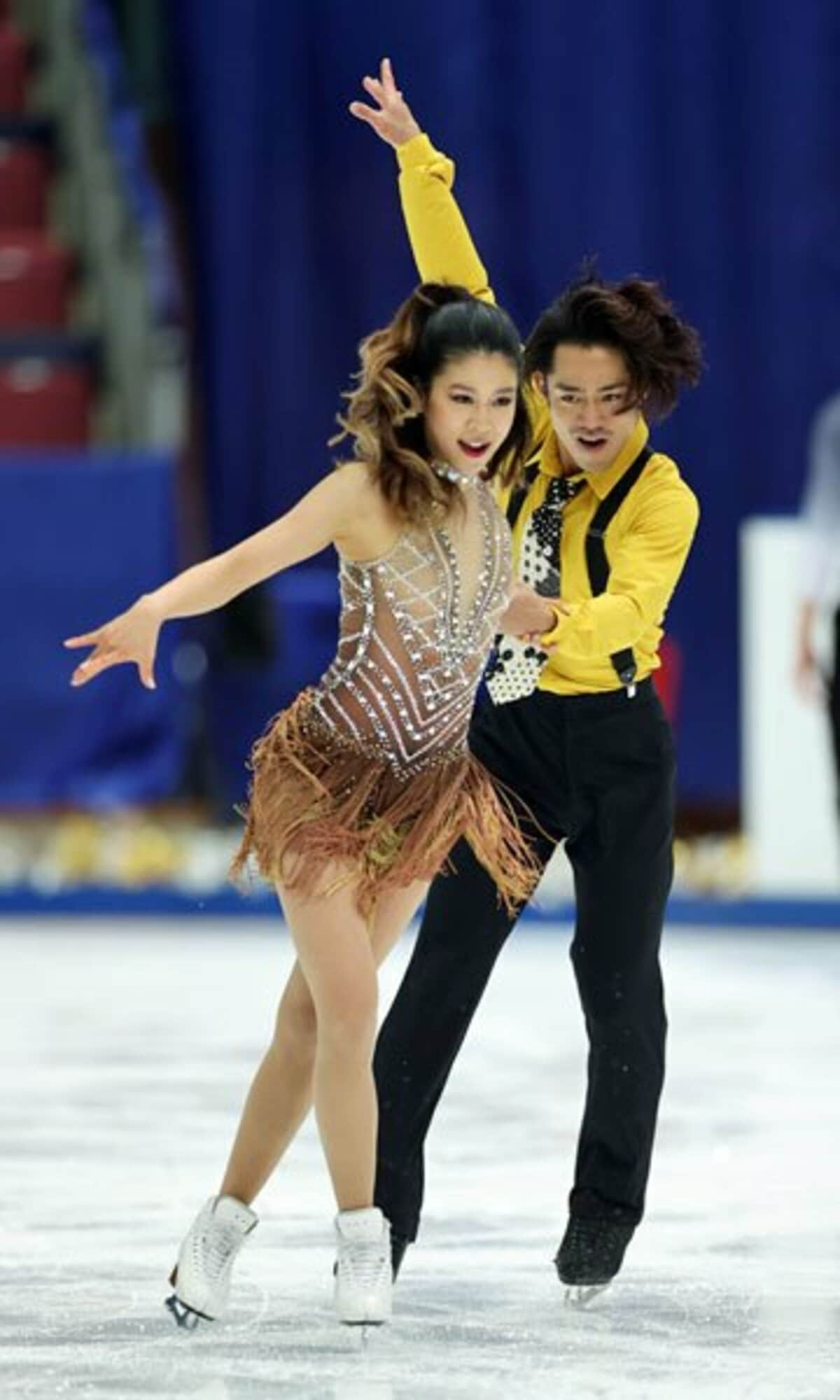
I know that from any broadcaster's angle commercial considerations come before everything else, but from the pov of somebody, who would love to see ice dance flourish in Japan it unfortunately doesn't help to shove the competition onto a pay channel, that a lot of potentially interested viewers can't watch.

If they show the competition on terrestrial it has a far bigger reach and because the field is so small it doesn't even take up much broadcasting time. Some casual viewers might happen onto ice dance and find it unexpectedly compelling and maybe become new fans of the discipline. Who knows, there may even be a kid among them that feels inspired to take up the sport! Dai himself loved to watch ice dance as a child. It wasn't what got him to start skating, but it could be for another future talent.
I disagree that Japanese skaters (and/or their coaches) per se tend to focus on technical aspects too much. Imo many skaters of the current and previous generation are/were well rounded and there's plenty of good interpretation as well as very decent skating skills to be found among them. As far as I know most Japanese coaches are very particular about teaching good basic ss, which is essential for ice dance (even if the technique of executing some steps and turns differs from singles). The kind of interpretation skill required for ice dance can also be honed, if it's focused on from a young age. But first of all you need enough kids to be interested in taking up the discipline to one day have great skaters in it.
Imo the real problem is a structural one and the question is what can be done to develop ice dance (and pairs) beyond its current state. Looking at the grassroots level Cathy Reed (and Narumi Takahashi for pairs) develop young teams at Kinoshita Academy at a rink specifically designated to accomodate these two disciplines. But besides Cathy, Narumi and Rie Arikawa (who coaches in Kurashiki at Dai's former hometown-rink) Japan doesn't boast a plethora of pairs and ice dance coaches with enough expertise and international influence (it shouldn't be, but unfortunately it is an important factor) to bring up top tier teams on their own – yet. (Cathy and Narumi more or less just started out and I hope that their work will bear discernible fruits in the long run.)
To make matters worse it's difficult to find the required amount of ice time for teams not based in or near Osaka or Okayama. It's no coincidence that all of the promising teams have their main base abroad with renowned, influential coaching teams where there is also more ice available. And there has already been some progress. Maybe Japan's top teams have not yet been able to fully catch up skillwise with the international top elite, but they have been inching towards it. Look at Kana's and Chris' or in juniors at Utana's and Shingo's results and compare them to how Japanese ice dance teams placed in international competitions 10 to 20 years ago.
For the discipline to make even bigger strides, a bigger talent pool to choose from (especially boys) is required. Having a well respected skater like Dai as a role model is a start (he doesn't even need to be particularly successful, just his presence promotes the discipline), but that alone won't be enough. Ice dance (and pairs) needs more exposure on the whole to encourage more young skaters to try out for it and it needs to be presented as an attractive alternative to singles skating. An ice dance boom won't happen overnight, but every little contribution ranging from the fed offering young skaters more incentives to switch to more media coverage will help imo.
Again, sorry for the long reply.

This is of course just my opinion as a mere passionate skating fan without any inside knowledge, who isn't even from Japan. I may be misinformed in or not aware of some important aspects that would be obvious to Japanese fans, so any corrections and counter-arguments are of course welcome.

(Maybe in the "
2020-21 Japanese Men, Pairs And Ice Dance"-thread in The Edge to not derail the FF.)



 Hopefully Kana didn't sustain any injuries.









 )
)


 In normal times we have many welcome Dutch visitors in popular spots like CentrO, Winterberg (where we have a second residence and are surrounded by Dutch neighbours – half of Winterberg is in Dutch hands to be precise) etc. In return many Germans from NRW like to go shopping in Venlo or Roermond for example. If there were vastly different regulations in place in the Netherlands and Germany or even between Germany's federal states, quite a few people would take advantage of it.
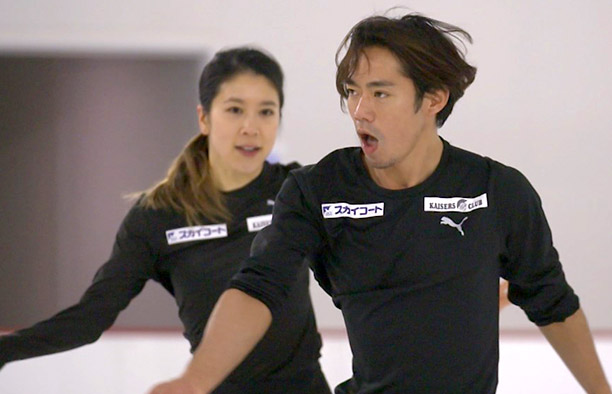
 , about her mother instincts towards Dai
  , her thoughts about Oleg Epstein and the parallels she sees between junior skater Nozomu Yoshioka's and Dai's personalities: