Coaches' Corner | Page 33 | Golden Skate

Coaches' Corner

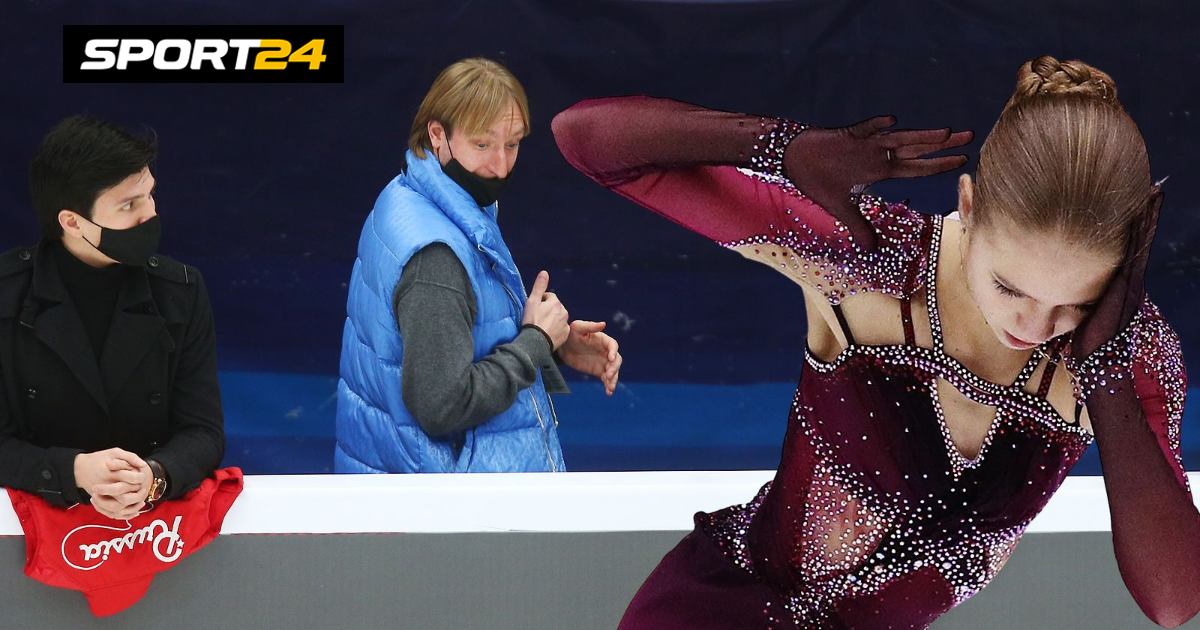
I never understood why Plushy went after ladies training and not men. At the end of the day, it makes sense to start with a discipline that was closest to him, especially when you take into consideration that he came from a very strong technical school. He could actually share the "podium" of successful coaches together with Eteri - she being 1st in ladies and he in men. This is also the only weak spot of the Russian FS right now.. I was wondering if it has to do with his son who seemes to be the only long-term investment regarding coaching and effort (which ofc is understandable)
 
I never understood why Plushy went after ladies training and not men. At the end of the day, it makes sense to start with a discipline that was closest to him, especially when you take into consideration that he came from a very strong technical school. He could actually share the "podium" of successful coaches together with Eteri - she being 1st in ladies and he in men. This is also the only weak spot of the Russian FS right now.. I was wondering if it has to do with his son who seemes to be the only long-term investment regarding coaching and effort (which ofc is understandable)

Well I think part of why he went after ladies is that is the media favorite right now and where the biggest bang for your time is
 

Sergey Rozanov interview

Most interesting part to me was his comment on Nathan that Nathan can do 2 clean free programs back to back with minimal rest in between.

He also believes a quint is possible. And mentioned Yuma Kagiyama's 4T being like a triple.
 
Last edited:
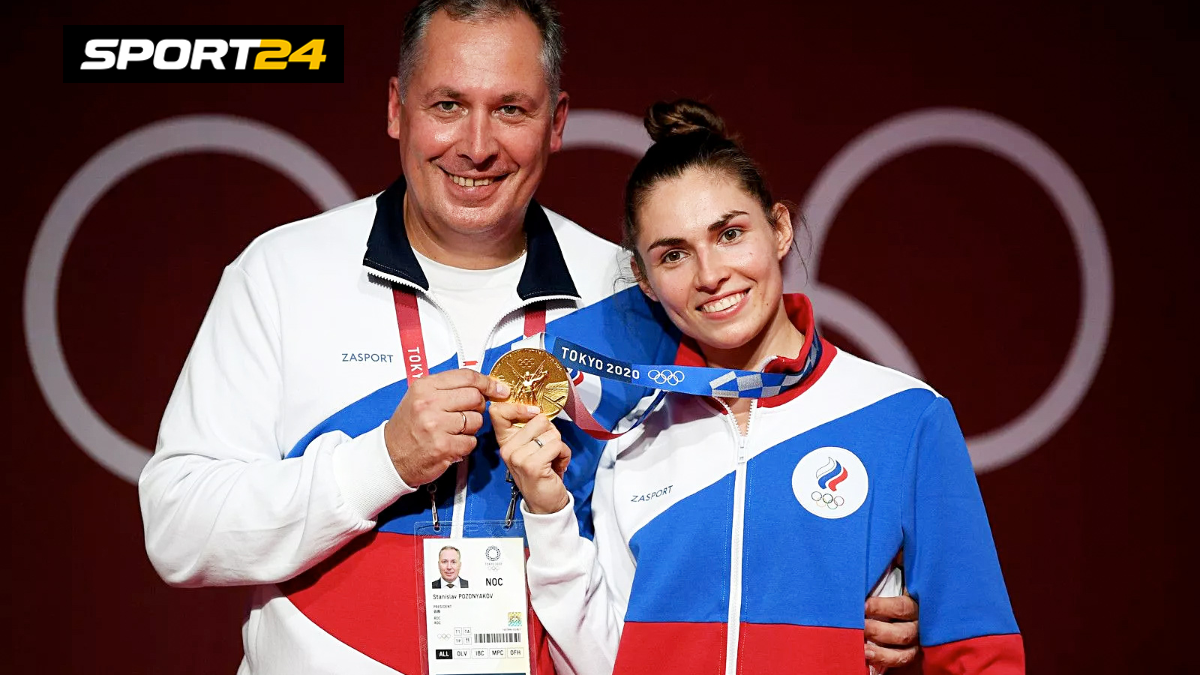
Sofia Pozdniakova (m. Lokhanova), an individual and team olympic chmapion in fencing (sabre) from Tokyo is praising Eteri Tutberidze as a coach:


I saw that you are subscribed to many famous skaters. Are you inspired by their victories?

I love figure skating. Most of all I watch female singles. Girls inspire and charge me. You look: they are so small, so fragile, but they do such things! Remember the Russian championship? Anna Shcherbakova won there. With temperature. After she had been ill. It's all worth a lot. I am proud of our figure skating.

Eteri Tutberidze is an excellent coach. A deep bow to her. And all these things energize me. I am inspired by my colleagues in the sports department."
 
Last edited:
So is Eteri right to teach girls 3A/Quads younger? It seems like there's lower chance of injury than learning them as adolescents/adults.

Also was this called Coaching Cauldron before? I thought it was cooler!
 
So is Eteri right to teach girls 3A/Quads younger? It seems like there's lower chance of injury than learning them as adolescents/adults.
Short term you're probably right. Not so sure about long term. Long term, it's likely learning them as a teenager would be best because your bones have fused and you've put on more muscle to withstand harsher landings that quads bring but you're still young and can take more force. Teenagers are also more likely to be disciplined enough to take proper care of their body but there are also some very disciplined children of course.
 
As of right now - I think the answer is no one knows. How much data is there to compare?
Men have been learning and jumping quads regularly since the 1980s, but I don't know how well the processes and aftermaths have been documented. Boys do not tend to show ready quads regularly at junior competitions like the current girls do (Stephen Gogolev being one of the exceptions), but I would imagine they have started to train them well before they start to do them at 15 years old or later.

Puberty and growth spurts can be disastrous for guys - a small pre-puberty boy turns into 6 ft tall young man and it is much harder to get those quads back to where they might have been before (Nam Nguyen comes to mind). That 13-year-old girls jump quads and 3As could also be the result of the way women seemingly are better at controlling their bodies and movement at an earlier age. Boys get the same kind of control and polish usually much later.

The effects of jumping all those quads for a long time would require follow-up studies post competetive career, but am not quite sure if these get done very much. Also, if there are physical problems, it is probably difficult to find out if the jumps are to blame or if the cause is something else specifically. The problems could also be just results of being a top-level athlete.

E

 
Men have been learning and jumping quads regularly since the 1980s, but I don't know how well the processes and aftermaths have been documented. Boys do not tend to show ready quads regularly at junior competitions like the current girls do (Stephen Gogolev being one of the exceptions), but I would imagine they have started to train them well before they start to do them at 15 years old or later.

Puberty and growth spurts can be disastrous for guys - a small pre-puberty boy turns into 6 ft tall young man and it is much harder to get those quads back to where they might have been before (Nam Nguyen comes to mind). That 13-year-old girls jump quads and 3As could also be the result of the way women seemingly are better at controlling their bodies and movement at an earlier age. Boys get the same kind of control and polish usually much later.

The effects of jumping all those quads for a long time would require follow-up studies post competetive career, but am not quite sure if these get done very much. Also, if there are physical problems, it is probably difficult to find out if the jumps are to blame or if the cause is something else specifically. The problems could also be just results of being a top-level athlete.

E

well the question was asked regarding girls; girls we don't have a lot of data on - sure there was Surya Bonaly, Sasha Cohen and Miki Ando that have a few attempts here and there in the early 90s and 2000s, but those were anomaly attempts basically to say they did it. Prior to Shcherbakova and Trusova I cannot recall ladies skaters regularly featuring quads in their programs.
 
well the question was asked regarding girls; girls we don't have a lot of data on - sure there was Surya Bonaly, Sasha Cohen and Miki Ando that have a few attempts here and there in the early 90s and 2000s, but those were anomaly attempts basically to say they did it. Prior to Shcherbakova and Trusova I cannot recall ladies skaters regularly featuring quads in their programs.
Is there a huge difference on the effects of learning jumps and doing lots of them as young kids for girls and boys? Women and men have physiological differences for sure, but the negative effects of training jumps for boys have not really been discussed a whole lot in the past 20 years when quads have become a standard for at least the top 50 male skaters in the world. Most of them have probably started their quad training before they were teenagers, before the growth spurts and what nots.

There is now a generation of male skaters who have more than 200 quads in competition and many of them started to have them in competition already in juniors meaning a longer training process before that to establish and stabilize the quads. If that has been ok for the skating community for a long time, why is this new situation with women doing the same potentially problematic?

E
 
Most of them have probably started their quad training before they were teenagers, before the growth spurts and what nots.
Not true. Most start as teenagers.

I train with three guys who are getting their first quads. All in their late teens. There are some guys who start at 14 or 15 but never 10 or 11 like these girls are doing now.

Edit: and there's a huge difference between the training FOR quads (adding extra height to triples, strength training, off ice rotations etc) and training quads (physically doing them) on the body. I personally have only done triples but I've had men tell me that the difference between a quad and a triple feels like 2x the difference between a double and a triple. I've never gotten hurt on doubles, but literally the week I started training triples regularly I got a stress fracture. Though I didn't jump any higher on my triples, the extra rotation makes a fall have a lot more force to it and adds a lot of extra stress to stop rotation during a landing.
 
Not true. Most start as teenagers.

I train with three guys who are getting their first quads. All in their late teens. There are some guys who start at 14 or 15 but never 10 or 11 like these girls are doing now.

Edit: and there's a huge difference between the training FOR quads (adding extra height to triples, strength training, off ice rotations etc) and training quads (physically doing them) on the body. I personally have only done triples but I've had men tell me that the difference between a quad and a triple feels like 2x the difference between a double and a triple. I've never gotten hurt on doubles, but literally the week I started training triples regularly I got a stress fracture. Though I didn't jump any higher on my triples, the extra rotation makes a fall have a lot more force to it and adds a lot of extra stress to stop rotation during a landing.
I agree with you that the vast majority start as teenagers, but it's not 'never': Stephen Gogolev was landing quads when he was just 10 or 11.
 
I agree with you that the vast majority start as teenagers, but it's not 'never': Stephen Gogolev was landing quads when he was just 10 or 11.
Close enough to never :) but yes you're right. There's exceptions to every rule but that's such a small one. An outlier.
 
Not true. Most start as teenagers.

I train with three guys who are getting their first quads. All in their late teens. There are some guys who start at 14 or 15 but never 10 or 11 like these girls are doing now.

Edit: and there's a huge difference between the training FOR quads (adding extra height to triples, strength training, off ice rotations etc) and training quads (physically doing them) on the body. I personally have only done triples but I've had men tell me that the difference between a quad and a triple feels like 2x the difference between a double and a triple. I've never gotten hurt on doubles, but literally the week I started training triples regularly I got a stress fracture. Though I didn't jump any higher on my triples, the extra rotation makes a fall have a lot more force to it and adds a lot of extra stress to stop rotation during a landing.
Thanks particularly for the descriptions of the experience!

When it comes to the starting jumping quads, though, I would like to see a lot more data. In the juniors there are quite a few boys who do quads in competition in their midteens, at 15-16 years of age - of the current quadsters for example Vincent Zhou and Boyang Jin were about 15, Hanyu and Chen not quite 16 when they were already ready to get the quads out. Which would have been preceeded by some years of training.

Then I also do wonder why the boys do not start working on them earlier?

E
 
I never understood why Plushy went after ladies training and not men. At the end of the day, it makes sense to start with a discipline that was closest to him, especially when you take into consideration that he came from a very strong technical school. He could actually share the "podium" of successful coaches together with Eteri - she being 1st in ladies and he in men. This is also the only weak spot of the Russian FS right now.. I was wondering if it has to do with his son who seemes to be the only long-term investment regarding coaching and effort (which ofc is understandable)
Plushenko has a number of junior/novice boys (the most recent boy to join is Mark Lukin), and in seniors there is Alexander Petrov, but even aside from that, he can't just pick up a skater he likes, they have to ask to join the Academy, and girls ask more often than boys simply because there are more of them. Plushenko can hardly afford to keep turning down promising girls while waiting for more boys. As for Sasha Plushenko, frankly, he doesn't seem to have inherited his father's talent, so making him the only long-term investment would be extremely unwise, not to mention that the Academy has to pay for itself and Sasha isn't exactly going to do that.
Thanks particularly for the descriptions of the experience!

When it comes to the starting jumping quads, though, I would like to see a lot more data. In the juniors there are quite a few boys who do quads in competition in their midteens, at 15-16 years of age - of the current quadsters for example Vincent Zhou and Boyang Jin were about 15, Hanyu and Chen not quite 16 when they were already ready to get the quads out. Which would have been preceeded by some years of training.

Then I also do wonder why the boys do not start working on them earlier?

E
A number of boys have done, but based on the available evidence there is just no point in jumping quads at an early age for boys. It doesn't lead to them having more quads by seniors than those who started later, they just stall in their progress or lose their quads due to growth and have to put them back together, and it is often a cause of injuries.
 
Edit: and there's a huge difference between the training FOR quads (adding extra height to triples, strength training, off ice rotations etc) and training quads (physically doing them) on the body.
When it comes to the starting jumping quads, though, I would like to see a lot more data. In the juniors there are quite a few boys who do quads in competition in their midteens, at 15-16 years of age - of the current quadsters for example Vincent Zhou and Boyang Jin were about 15, Hanyu and Chen not quite 16 when they were already ready to get the quads out. Which would have been preceeded by some years of training.
I remember reading a Nathan interview where he mentioned spending years training FOR quads rather than training quads such that he was able to learn quads rapidly then put them into programs.
 
I really hate it when I realize that I actually have the material for checking things out in my possession and then spent a significant part of my Friday evening doing just that...

I have kept a list of men who have jumped quads and although it is not totally up to date (not a whole lot of things happened last season though), it is a pretty good source for this. I added years of birth and I already had usually the first time they tried a quad in an international competition (I have tried to check national data, but it is often difficult to find, so international is simply easier and more reliable).

There are some 110 men doing quads at the moment, 65 of them born before 2000 and 46 after that. Among the elderly gentlemen ( 🙃 ) the age at first attempts ranged from from 15 to 24 and the average was 18-19 years. The youngest ones were Nathan, Boyang, Dmitri Aliev and Yan Han. For the second group (2000-2006 births), the age at first attempts ranged from 14 to 20 and the average was 16. This will probably change a little bit in time - there will be those late bloomers who get their quads in their 20s. The number of 14-15 year olds was 18, almost 40% of all (in addition to Gogolev, Kiu Miura and Daniil Samsonov were 14).

There seems to be a pretty strong tendency among men to start quads earlier. I wonder if this is somehow inspired by the girls doing successful quads at an early age?

E
 
I remember reading a Nathan interview where he mentioned spending years training FOR quads rather than training quads such that he was able to learn quads rapidly then put them into programs.
Yeah he got his really fast. One of the guys at my rink got his first one in a couple months for the same reason.
 
Back
Top