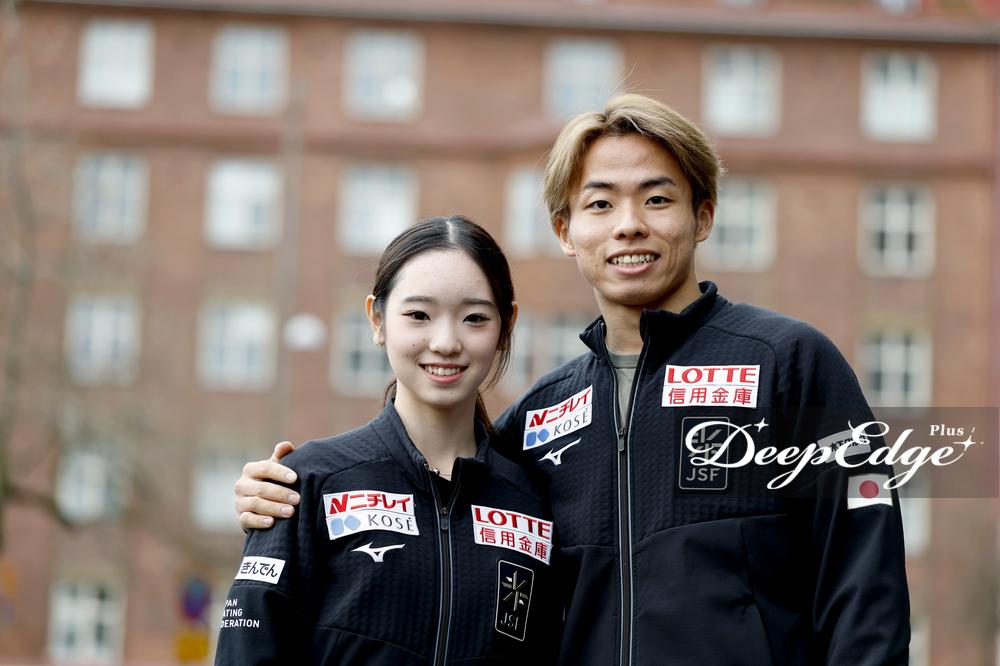
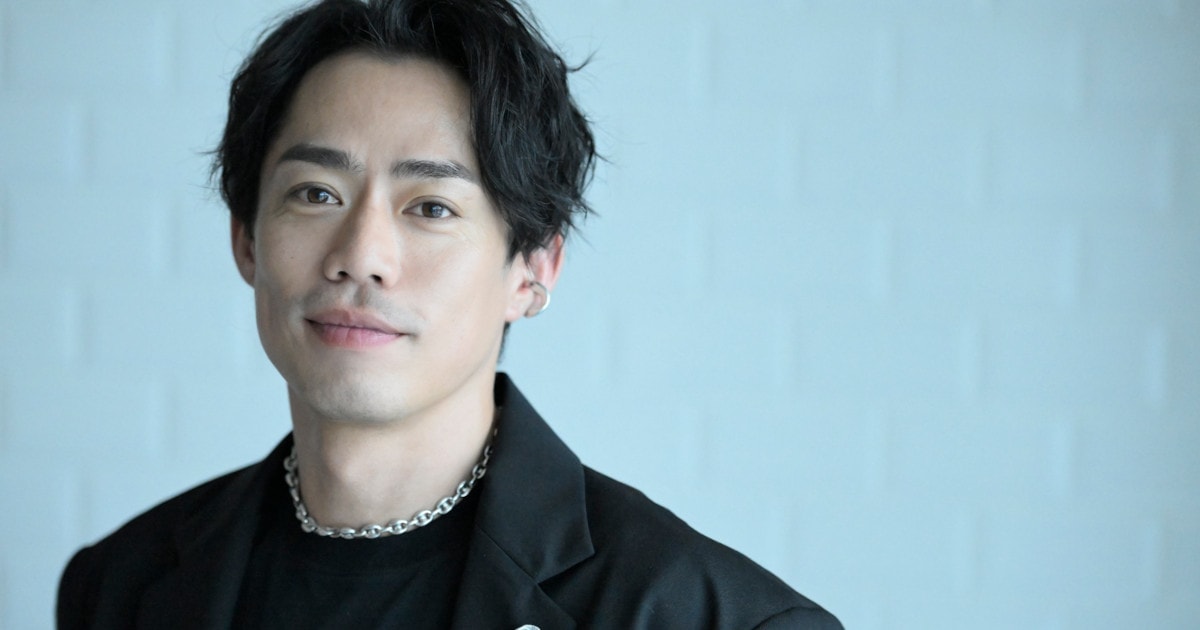
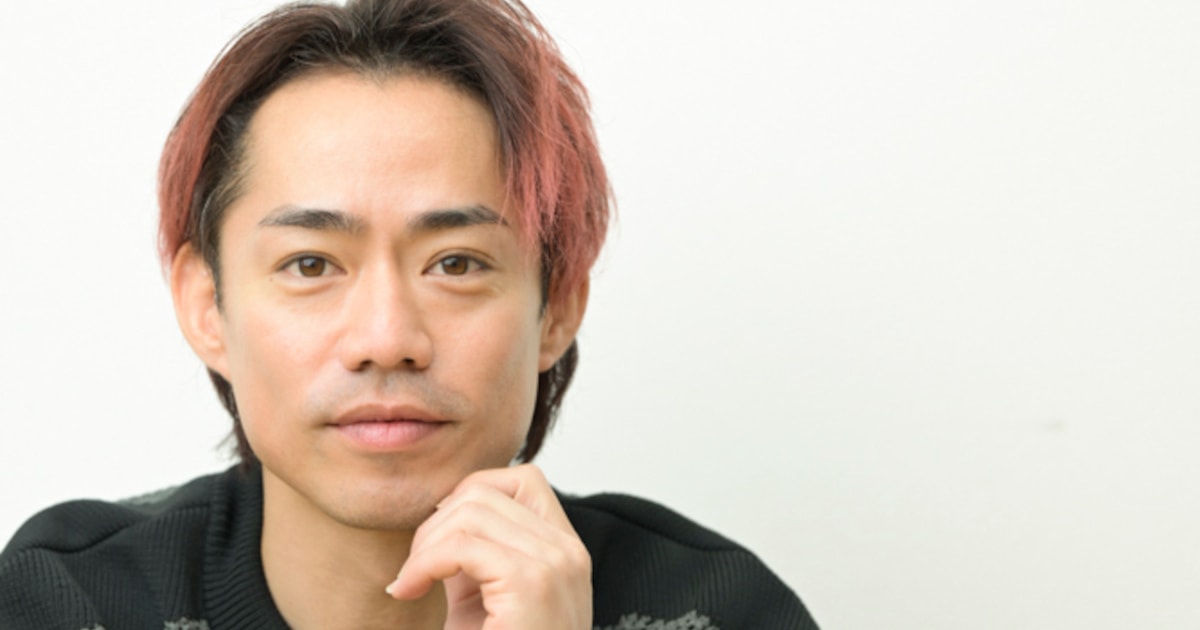
There was a segment on Fuji tv "Sports" today with a focus on the current boom of high profile singles skaters switching to ice dance, which credited Dai for this development.

(He is still the highest profile skater to have made the switch to ice dance and a very special case and I think it's unlikely to become more common for skaters with such a long and highly successful singles career to follow suit...it is more advantageous to switch at a younger age after all.)
Dai-chan on Sports!
Top singles skaters are switching to ice dance one after another. The catalyst behind this trend is Daisuke Takahashi. 
Narumi says Takahashi showed the way, which is why so many are switching. 
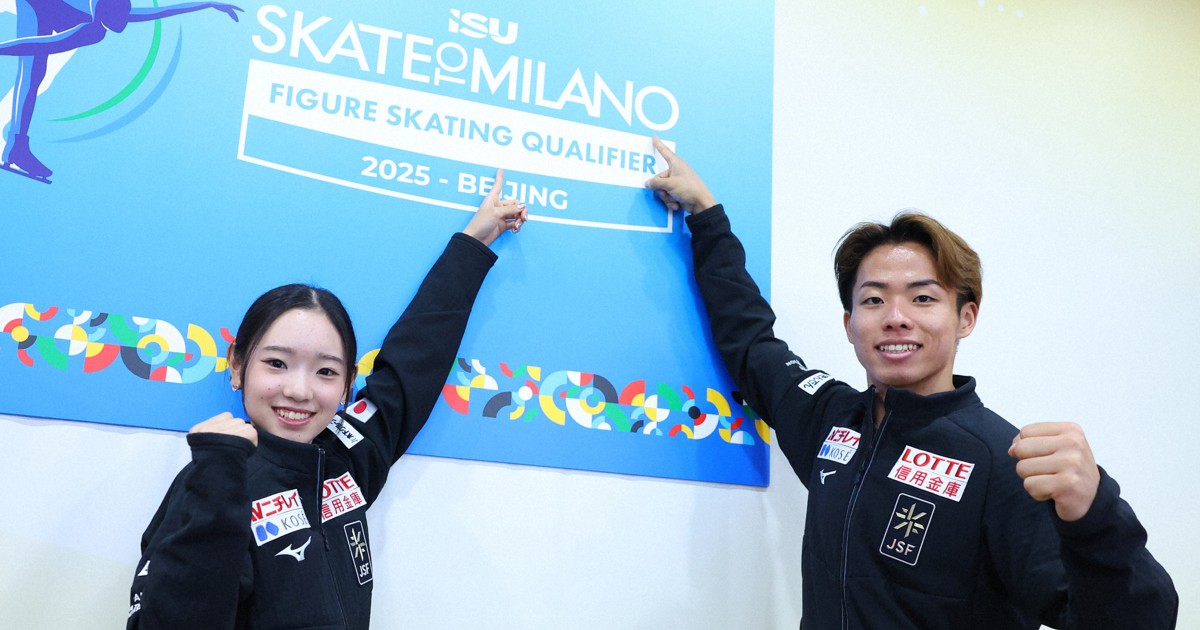
There was another tv special with Narumi, introducing the current Japanese ice dance couples and mentioning Dai's influence once more
:
Sports
Today's topic is Daisuke Takahashi
Narumi-chan → When Daisuke Takahashi switched from singles to ice dancing, it opened the door for athletes who had been thinking, “I want to try it, but what if...” He opened that door, showing everyone, “Oh, this door can be opened,” and made it possible for everyone to take that first step. That was incredibly significant.
_____________________
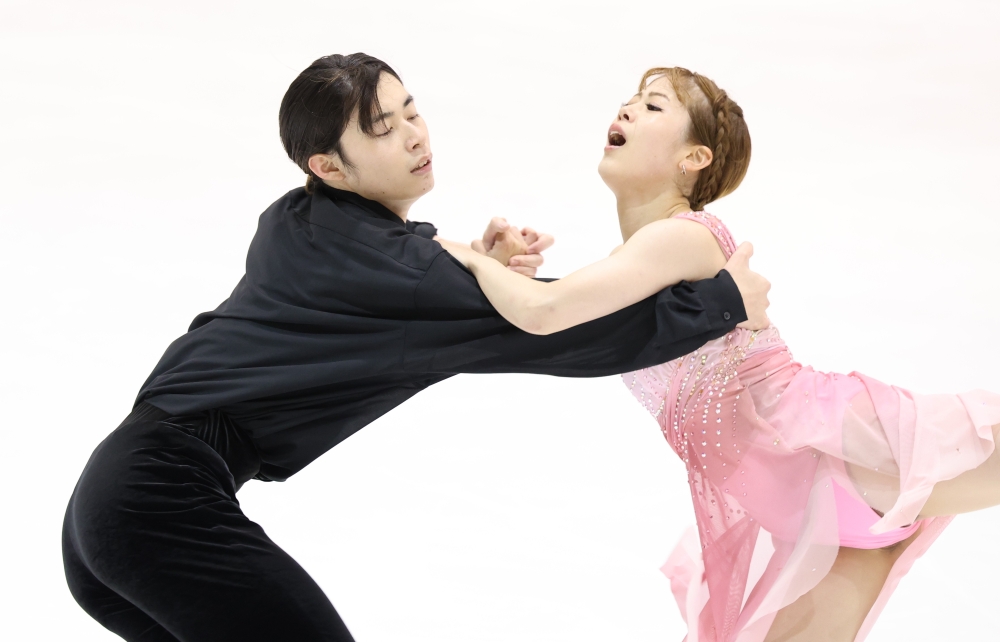
Dai-chan debuted a new ice dance number with Kana-chan (see KanaDai fan fest) at PIW today and was part of the "Chim Chim Cher-ee" (Mary Poppins) group number:
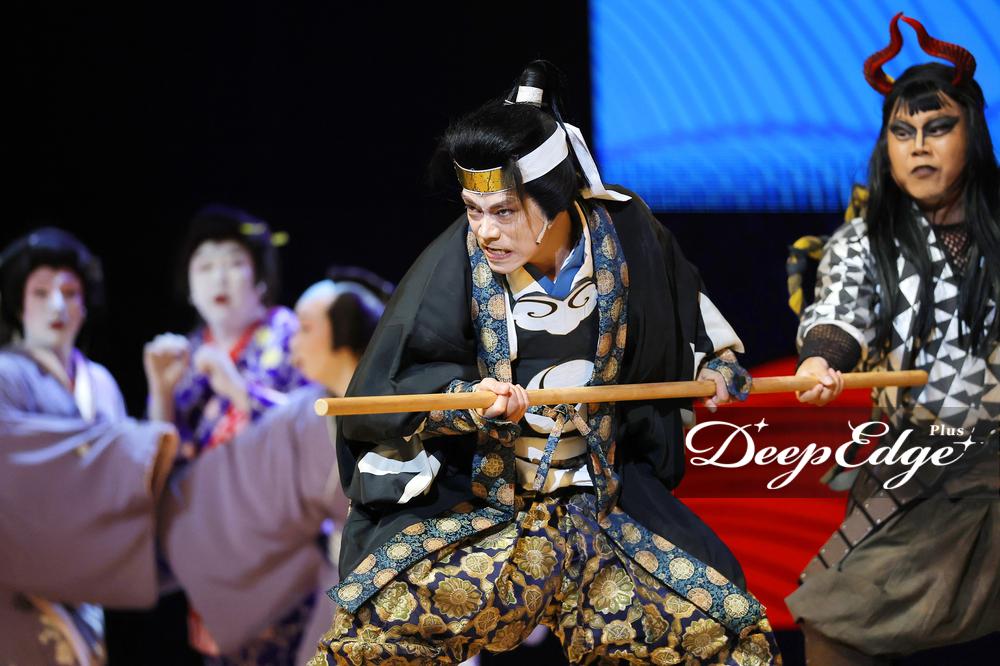
Another picture of Dai performing in the group number, from this Deep Edge Plus gallery:
写真一覧(タップすると全画面表示できます)

deepedgeplus.kyodonews.jp
Because the red suit kinda resembles Dai's superb "Rock'n'Roll medley" SP costume from the 2012-13 season, fans asked him during the Meet and Greet to strike the opening and ending poses of the program

:
_____________________
Cross-posting (from the ice show subforum) this superb, informative, highly recommended interview with Dai regarding Kassouya 2.0 as well as the various new challenges he took on in 2025:
Part 1:
これまで大旋風をまきおこしている、高橋大輔さんが演出する氷上エンタテインメント「滑走屋」の「第二巻」が2026年3月19日から22日までオーヴィジョンアリーナ福岡で幕をあける。ライターの田中亜紀子さんによる高橋大輔さんの特別インタビューを2回に分けてお届けする。第1回は、大きな話題となったオーディションについて詳しく聞く。

gendai.media
Machine translation:
Dance moves copied to perfection? Daisuke Takahashi discusses the “Kassouya” auditions and the passion of young skaters
Special Interview for “Kassouya” Volume 2: Part One
The second instalment of “Kassouya”, the ice entertainment production directed by Daisuke Takahashi that has caused a huge sensation, will open at O'Vision Arena Fukuoka from 19th to 22nd March 2026. We present a special interview with Daisuke Takahashi by writer Akiko Tanaka, split into two parts. Part 1 delves into the much-discussed auditions.
‘I thought if this failed, I couldn't do it again.’
Produced by Daisuke Takahashi, ‘Kassouya’ has garnered immense acclaim for its overwhelming power – complex formation group dances where internationally competing skaters and young ensemble members perform together without distinction. Following its premiere in Fukuoka in February 2024 and a revival in Hiroshima in March 2025, the stage now moves to ‘Volume Two’. Pricing and timing are set to be accessible for both skating fans and those who have never seen an ice show before. Alongside the show's innovative appeal, attention is also focused on the energy of the young skaters, raw talents scouted by producer Daisuke Takahashi himself during visits to domestic local competitions.
"For the first run, I thought if this failed, it would be the end. It was decided suddenly, time was tight, and we faced all sorts of difficulties, but we managed to open the curtain and see it through to the end. After the performances, I found myself eagerly awaiting audience reactions and comments on social media and such."
"Regarding the content, choreographer Yuma Suzuki is someone I admired after seeing her theatre troupe's performance. I was particularly impressed by the sense of speed, the constantly shifting developments, and the intricate formations where people intermingled. I asked her to create an unprecedented ice show with that kind of content, so I knew she'd produce something wonderful. The added element would be the skaters' performances, and since we were using many young athletes with little show experience, it was an unknown how far we could take it." (Daisuke Takahashi. All subsequent quotes by him)
Following a revival in Hiroshima in March 2025, Volume 2 will open in March 2026 in Fukuoka, the show's birthplace. What will its theme be?
"This time we're completely changing the content and creating something new. Thanks to everyone, some fans have embraced the entire “Kassouya” concept. The first show and the revival were wonderful. Precisely because of that, there's immense pressure to surpass them as we begin Volume 2.
This time, the theme is “Four”. The sound “shi” in “four” carries various meanings; there are four cardinal directions, east, west, north, and south; there are four seasons, spring, summer, autumn, and winter – many things are made up of four. For the show, we're imagining four ice pillars, grouping elements into fours, and expanding our ideas around the theme of “four”. We'll then weave in the dramatic, story-like elements I've long wanted to explore within this atmosphere. While we creators have a broad narrative in mind for our creation, we won't reveal it to the audience. We hope everyone will feel and interpret it in their own way."
What the “White Poster Visual” Signifies
This production's poster visual features a white aesthetic, quite distinct from the black theme of the previous instalment.
"Last time, partly due to time constraints, I conceived the visual myself. This time, however, I communicated my vision to professional designers who created it. White isn't the theme colour; it represents the icy atmosphere and the white world of the skating rink. Within this cold air, a mysterious figure stirs up a world of eerie atmosphere. What might happen? I hope it sparks all sorts of imaginings."
The style remains consistent: Mr Takahashi handles all music selection, while Ms Suzuki Yuma choreographs.
"This time, I've chosen music with an oriental mood, but it's grounded in the modern, dark feel of the original Kassouya. Since I select the music, it naturally leans towards a dark worldview. After the first production, Yuma took up skating and has now reached a level where she passes badge tests. Her mobility on the ice during rehearsals is noticeably different. During the first production, we communicated off-ice with a microphone, but now she's on the ice with us. She moves swiftly to be near the skaters, so discussions are quicker, and she grasps the skating movements better than before. Above all, it's wonderful to see Yuma's genuine enjoyment of skating."
An audition brimming with incredible passion
Having decided on themes such as this, a first-ever audition for young skaters to perform in the show was conducted, running from summer into autumn, attracting numerous applicants.
"We'd always wanted to try selecting performers through auditions. We don't know if we'll do it every year, but we thought it would be our challenge to see how it turned out, and also a chance to feel the passion the skaters have for the show. When we actually did it, we felt an incredible amount of passion. Ultimately, passion alone isn't enough, but as producers, we were truly grateful for that energy."
The selection process involved document screening and video screening, with approximately 60 candidates progressing to the final in-person practical assessment.
The documents assessed basic requirements like holding a badge. The video screening involved footage of the skater performing to showcase themselves. The final assessment had three components. First, a video of Takahashi and Muramoto dancing to a set piece was sent to applicants about two weeks prior; the applicants then performed it individually during the final. Second was a freestyle performance, where the skater showed what they wanted to dance. There was also a unique floor assessment.
"On the floor, we had everyone learn a dance choreographed by Yuma Suzuki together for 30 minutes, then perform it individually during the assessment. There was a reason for this: Kassouya involves a lot to memorise, yet the preparation period is relatively short. We wanted to see how quickly each person could learn. If they could learn quickly, they could then progress to the next level of quality. So, we made the speed of learning one of the assessment criteria."
"For the set piece, we had them perform the choreography from a video sent two weeks prior. We assessed how closely they matched the steps, how well they interpreted the music, and whether they had the rhythm. Since everyone performs the same movements in the actual show, we wanted to see their movements to that specific piece. The freestyle is for self-promotion. The appeal and presentation could be completely different between the set piece and freestyle. In freestyle, they confidently showcased their strengths, and we also observed this contrast. On top of that, we could consider things like, “This skater shines in this kind of scene,” or “This role suits them well.”"
Judging the final auditions of 60 people and watching three types of performances seems like quite a demanding task.
"With about 30 skaters each from East and West, it wasn't demanding for us at all – it was very interesting. I think we saw everything we needed to see. Plus, unlike before, we could meet everyone beforehand during the rehearsal camp, so it wasn't a case of “nice to meet you” when we started. Above all, it was wonderful to feel the passion each skater brought to the performance."
There is no distinction between main cast and ensemble
Having seen previous performances of “Kassouya”, I was amazed by Mr Takahashi's discerning eye, discovering just how many wonderful skaters Japan possesses. The members announced as the first group this time, alongside those who have appeared before, include many new faces, creating a remarkably diverse line-up. Incidentally, apart from Mr Takahashi, Ms Muramoto, and Ms Murakami, all members announced in the first wave – including those who appeared in the previous production – are formidable talents who earned their places through auditions.
"With the exception of the skaters who performed in the previous production, we actually judged them with virtually no prior information, starting from scratch. We wanted to see them as they truly are. Furthermore, this time there are no designated roles for main skaters or ensemble skaters among the performers. While there are differences in their roles during the actual performance, and there are key skaters who form the backbone, for this audition, as with the previous one, we aimed to select skaters who fit the four distinct worlds I mentioned earlier, based on speed and power. Watching their performances, our own imaginations expanded – thinking, “This skater would suit this kind of scene,” or “This role might fit them well.”"
One inspiration for the “Kassouya” performance was the dance production “LOVE ON THE FLOOR”, a floor-based stage show Takahashi previously co-starred in. This production featured only American dancers and skaters alongside Takahashi.
"It told the story through dance, without dialogue. Back then, the theme was love expressed through performance. The message came across without feeling forced, and the dance performance itself drove the narrative with real power. Cheryl Burke led as both star and director, while the group dances by the international, top-class American backup dancers were incredibly compelling. It made me realise that the presence of such performers really allows the soloist to shine."
"Kassouya incorporates these elements, but being a stage on ice, there's an absolute sense of speed and expression achievable only through skating. We aim to create something as fresh as possible through collaboration between the skaters and the choreography from the floor-based dance world. This year has been truly enjoyable with various activities, but from here until year-end and into the new year, we'll be creating together with everyone, pushing ourselves to the absolute limit. It's demanding, but the process of creation is the most enjoyable part, so I believe it will be an even more enjoyable time."
Part 2:
高橋大輔さんが演出する氷上エンタテインメント「滑走屋」の第二巻が2026年3月19日から22日までオーヴィジョンアイスアリーナ福岡で幕をあける。第二巻の始動を記念して、ライターの田中亜紀子さんが高橋大輔さんにインタビュー。第1回では話題になったオーディションの内容を中心に聞いた。第2回は高橋さんにとっての「滑走屋」について聞く。
gendai.media
Machine translation:
Daisuke Takahashi in an interview during the revival of “Kassouya”
Why Daisuke Takahashi Keeps Challenging Himself: “Even if you want to do something, you might not be able to later”
Special Interview Part 2 for “Kassouya” Volume 2
Volume 2 of the ice entertainment production “Kashouya,” directed by Daisuke Takahashi, will open at the Ovision Ice Arena Fukuoka from March 19 to 22, 2026. To commemorate the launch of Volume 2, writer Akiko Tanaka interviewed Daisuke Takahashi. Part 1 focused on the much-discussed audition process. Part 2 explores what “Kashouya” means to Takahashi.
Produced by Daisuke Takahashi, the ice entertainment show “Kassouya” enters its second volume in March 2026. Alongside its cool and innovative show content, the energy of the raw, young talents selected by Takahashi and their subsequent success are also drawing attention. Young skaters, many appearing in an ice show for the first time, challenged themselves with modern, complex group choreography, revealing the widespread recognition that “there are so many wonderful skaters in Japan.”
Fundamentally, “Kassouya” performers undergo a training camp where Takahashi-san provides instruction. This camp offers rare experiences leading up to the performance, such as skating in couples and exploring dramatic expression beyond their usual routines. These experiences spark insights among the young skaters, leading to various impacts post-performance, including improved competition results and enhanced expressiveness.
For example, in 2025, Saki Miyake, who stood on the podium at her first international competition, is just one example. Many “Kassouya” skaters also saw improved results at domestic competitions. Yuna Aoki, who reached the podium at the 2024 Grand Prix Series NHK Trophy, has now secured her first appearance in “Art on Ice,” arguably Europe's premier artistic ice show. Furthermore, some skaters have transitioned to ice dancing. As discussed later, skaters who have appeared in various forms in “Kassouya” are spreading their wings.
"The achievements of young skaters are thanks to the coaches who train them diligently every day and the skaters' own efforts, built on their innate talent. But, as I experienced myself, appearing in ice shows can change your mindset in many ways. So, if appearing in Kassouya was a positive step for them, that truly makes me happy. It's fantastic that they gain access to opportunities they never had before and can have new experiences. It means more paths open up for them."
"One reason I originally created ‘Kassouya’ was the desire to increase opportunities for active skaters. For those who want to continue competing even if they aren't achieving international results, I hoped ice shows could become a goal to keep pursuing, and that ‘Kassouya’ could be one such path."
"In terms of being a first-time challenge, not only am I producing it myself, but holding auditions for performers was also a first for me on the production side. Most of the skaters who participated had absolutely no experience with this kind of thing. I'm sure they were really nervous, and some skaters are shy. If it were me, I might have panicked and been too embarrassed to do it. But they gave it their all, and their desire to participate in ‘Kassouya’ came through. It was truly moving for us too."
Takahashi's Own New Challenges
Speaking of new experiences, Takahashi himself has been challenging various new activities. Particularly in 2025, there were many notable topics, such as “Hyoen,” where his lifelong passion for figure skating merged with Japanese culture, featuring performers from different fields, and the release of the movie “The Tales of Kurashiki,” in which he appeared as an actor. This time, he co-starred with NEWS's Masuda Takahisa in “Hyoen 2025 - Kagamon no Yasha” at the Yokohama Arena. This production drew from the legend of Ura, the origin of the Okayama folktale “Momotaro,” which is also Takahashi's own roots. Directed by Tsutsumi Yukihiko, it will be screened in theaters on December 29th and 30th.
“Throughout my life, I never imagined I'd meet director Tsutsumi, whom I greatly admire, let alone work with him. So, being able to perform Hyoen together was truly a joy. This time, I even had the opportunity to accompany him on location scouting in Okayama well before rehearsals began. I feel incredibly fortunate that director Tsutsumi dedicated such a long period of time and all his energy to this skating entertainment project.”
This time involved more acting than ever before. He played “Ura,” a character likened to the “demon” in Momotaro, originally a kind king who becomes a night demon due to the invasion by the Yamato Imperial Court and various tragedies. Though Takahashi says he rarely gets truly enraged, the intensity and madness of his transformation into the Yashā [demon] were formidable.
"Personally, I felt frustrated with my own performance in the last Hyōen, so this time I approached it with unprecedented passion. Even so, there were quite a few emotionally challenging parts to express. While delving into the role, I experimented a lot—pushing forward, holding back, revealing, concealing—trying to figure out where my own feelings lay and how best to convey them.
The most difficult moment was slaying Senshu, Ura's childhood friend and loyal retainer. Senshu begged to be killed to summon the dark power, but I didn't want to strike him. Yet my body was possessed by the Dark Devouring God, so my hand moved of its own accord. I struggled against it, but I also carry the blood of a battle-crazed warrior within me. Being pulled in so many directions made it truly difficult."
Chemistry with Co-stars
Before slashing Senshu, played by Ryota Aoyama, Takahashi's sly grin sent a chill down my spine.
“That smile couldn't be too exaggerated either, so I agonized over the right degree. Overall, even after the show started, we kept tweaking things every time, refining them right up until the last moment. This time, there were lots of lines to shout and lots of singing, which was really hard on my throat. I strained it once so badly I could barely sing by showtime, and even had someone else deliver some lines for me. But scenes like transforming into the Yashā, where I had to unleash full power, were kind of stress-relieving in a way (laughs).”
There was also a scene where he and Masuda Takahisa sang together on the ice, back-to-back.
“Since I'd strained my voice partway through and there were harmonized parts, I was really anxious. But it felt incredibly good. This scene combined so many elements—skating, lines, acting, singing—and I gave it my all alongside Masuda-san. I loved every scene this time, but this is my absolute favorite.”
Misato Morita, who played Takahashi's partner, is a talented actress who gained 7 kilograms once to portray a fighter in the film “Night Flower,” winning the Supporting Actress Award at the Hochi Film Awards. She actually used to skate seriously. She has also been cast as the heroine in the morning drama “Circling Swan.” On a TV program, she jokingly described Takahashi's coaching as “Spartan.”
"I didn't see her as an actress slot, but completely as a skater slot. Even when she did something beautifully, she never seemed satisfied, so I'd say, ‘Okay, let's do more.’ Maybe that was the Spartan part (laughs). She's incredibly dedicated, finding time to practice diligently whenever she could. At Hyoen, there's always a chemical reaction when performing alongside artists from various fields. This time, it reaffirmed my love for this world of entertainment. I love expressing myself and feel even more strongly that this is where I want to be."
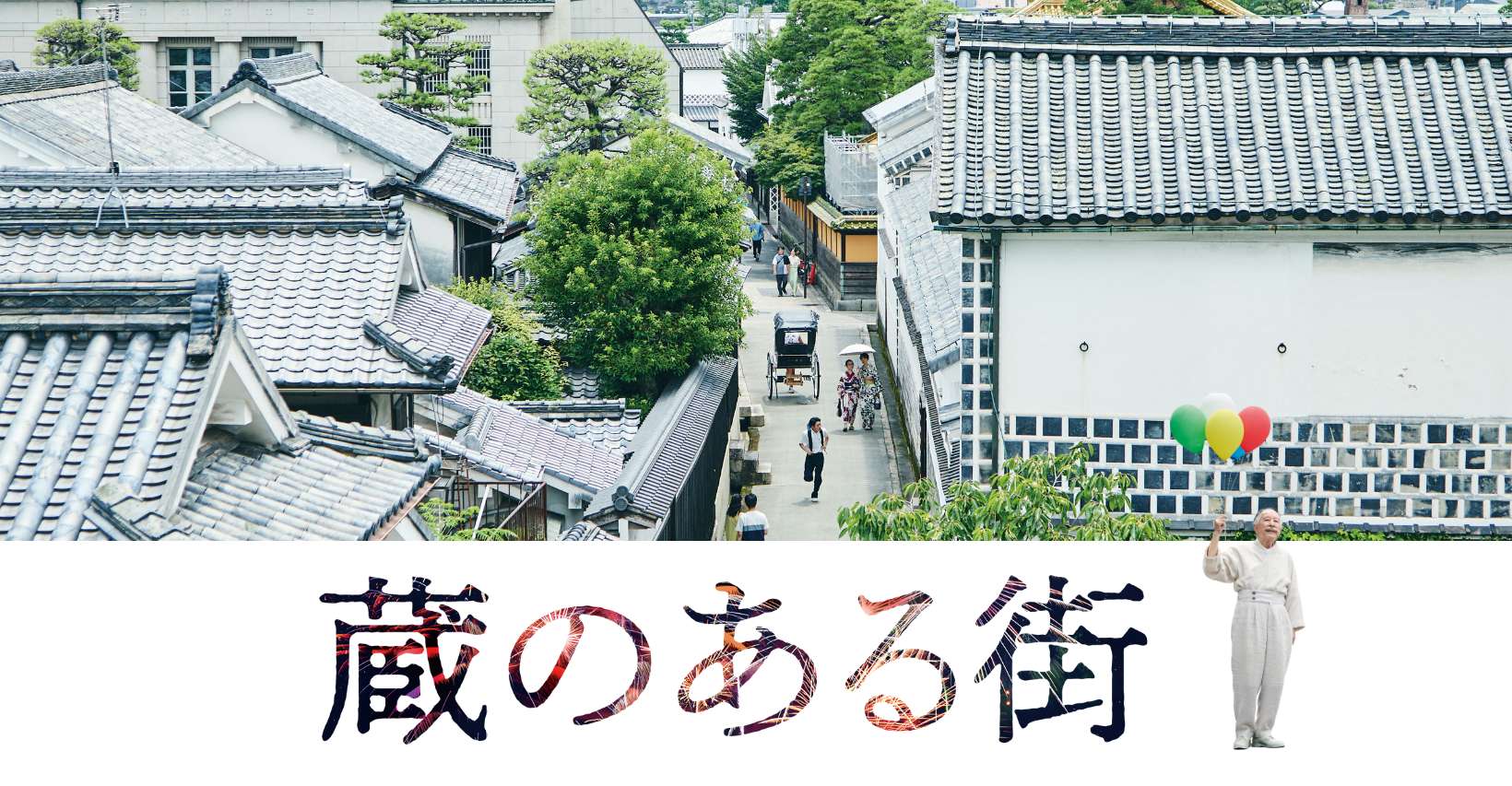
He also made his acting debut this summer. This was another project connected to Okayama: the film ‘The Tales of Kurashiki,’ set in Kurashiki, was released. Takahashi played a curator at a museum who had returned from France, advising the high school students who wanted to set off fireworks in Kurashiki. He delivered a strong performance in this role with significant screen time and many lines. The film was directed by Emiko Hiramatsu, who had long served as assistant director to director Yoji Yamada.
“People told me it was a good film, that it was wonderful, but also that I was a bit too rugged for a curator (laughs). Director Hiramatsu is calm yet observant and perceptive. She approached each actor differently, communicating uniquely with each one—it was brilliant. She also cracks quite a few jokes, so she's a wonderfully human person, fun both on and off set. After filming, the staff and cast often gathered together. I feel truly fortunate to have been part of a film by such a wonderful director.”
This film is scheduled to be screened continuously for about 70 years, until 2095*, at a dedicated mini-theater opening in Kurashiki's Bikan Historical Quarter.
“The executive committee is made up of people from Kurashiki, and they've worked incredibly hard. Their passionate dedication is deeply embedded in the film, making it one that I believe will be deeply loved locally. Since my roots are in Okayama, I feel honored to be part of a film connected to my hometown, and it was a truly enjoyable experience.”
I'd like to try playing an onnagata role [a female role performed by a male actor] too.
Furthermore, in October, he appeared in the Nishikawa Japanese dance production “2025 Nagoya Odori NEO.” This stage production brought together performers from diverse fields, including not only Japanese dance artists but also actors, voice actors, and rakugo storytellers. Takahashi appeared in Part 2, the NEO dance drama “Genroku Onna Chushingura.” Set in the underworld where the Akō rōnin reside, Takahashi played Ōishi Kichizō and also took on the major role of dancing the “Sagi Musume” (Heron Maiden) duet with the head of the Nishikawa School, Kazumasa Nishikawa.
"Actually, when I first heard it was a stage production doing all sorts of things, I thought it would definitely be interesting and said yes without asking for details. When the curtain rose, there was a scene where I danced with the headmaster alone. I was nervous, but once rehearsals started, everyone from the Nishikawa School and the other performers welcomed me with such a warm atmosphere that I felt at ease. During rehearsals, I not only received guidance for my own role but also observed the headmaster giving acting direction to others and offering ideas for posture and movement. It was a project where I learned so much."
The scene where he danced “Sagi Musume” with the headmaster was magnificent, showcasing both his sensuality and distinct presence in the dance.
"Well, obviously, the Grand Master is in a league of his own. It was almost too much, so I just thought, ‘Enough already!’ and let go. What was asked of me was to bring out my own ‘Daisuke Takahashi-ness,’ so I did it my way. Trying to steal the Grand Master's dance or movements with my eyes was impossible. Besides, since he was performing as an onnagata, imitating him would have been different anyway."
"But his footwork, the way he used his hips, his timing with the music and pauses—it was truly masterful and very educational. Ah, so that's how you take this part, that's the approach. It also varied from stage to stage, so figuring out how to adapt to that was enjoyable. Above all, the Grand Master had such presence. He conveyed the character's cuteness, the sensuality when dancing, and every nuance—it was a performance full of allure. I really love allure and acting like that. I want to try onnagata roles too. If given the chance, I'd definitely like to challenge myself."
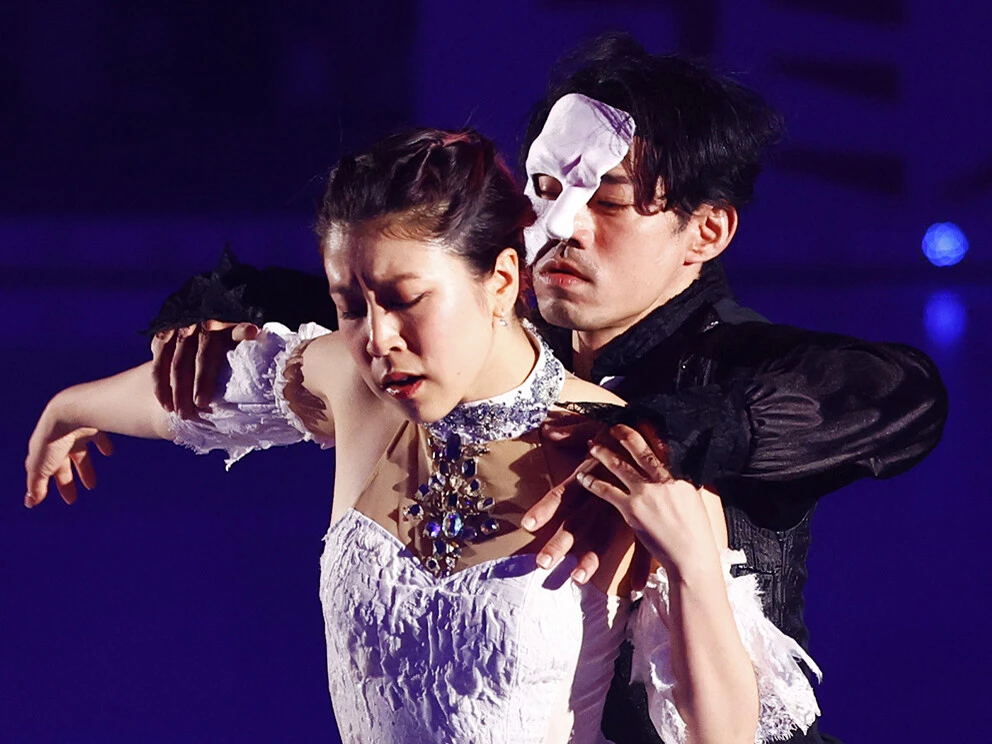
This year saw him take on all sorts of performances. In the summer ice show “Friends on Ice,” he delivered a theatrical, commanding presence as The Phantom of the Opera while also showcasing a solo skating performance that felt like a return to his roots as a skater – one that responded to the music.
Even as a challenger, there's no headwind
"Since I choreographed that [number] myself, I did choose a song with a rhythm that felt comfortable for my movements. [When I was active] I skated without worrying about the scores, just enjoying the performance, but it seems I received higher marks than I expected."
"Originally, I moved in response to the music in skating. But after gaining experience in acting, playing a role has also influenced my skating, creating a synergistic effect. When I first retired, doing various things made me realize that skating had given me confidence and shaped who I am. That's why I decided to return to active competition to cherish that aspect and reclaim my skating."
"I don't yet know if pursuing various new endeavors will give me confidence in other areas, but skating remains the core of who I am."
Beyond his achievements—being the first Asian man to win an Olympic medal and becoming world champion—Takahashi has opened many new doors. He transitioned to ice dancing and, as mentioned, performed in singing and acting within a comprehensive entertainment show featuring diverse performers. Doesn't a headwind blow every time he opens a new door?
“Not at all. I'm fortunate. Rather than forging my own path, I feel guided into trying various new things. For instance, ice dancing started when Kana Muramoto invited me. ‘Hyōen’ came about because someone mentioned this project existed, and I was selected for it. That led to acting and singing, teaching me the joy of entertainment. I'm constantly guided by those around me, so I've never felt any headwinds.”
Why “Kassouya” Offers New Experiences
Takahashi's switch to ice dancing has likely influenced more top singles skaters to try ice dancing. Among Kassouya performers, couples like Koshiro Shimada and Ikura Kushida, and Tsukasa Yajima are examples. Though not a Kassouya performer, Rika Kihira also began competing this season with Shingo Nishiyama, generating significant buzz.
"Being able to do what you want is a good thing, right? Even if you think ‘I want to do this!’ at the time, many things become impossible later. Japan's skating world has traditionally focused on singles, but with the introduction of team events and the skating federation now prioritizing pairs, we're seeing more skaters switching to pairs or ice dancing. The old mindset that you had to stick with the same discipline isn't the norm anymore. I think this trend is really positive. That's why at ‘Kassouya,’ I want them to perform as couples and have lots of experiences different from before."
“Kassouya” is a stage for new challenges precisely because it's directed by Takahashi, who has always pursued various innovations. Takahashi's vision continues to expand, including future plans to create an ensemble group of male skaters and establish a system to dispatch them.
"Regarding Kassouya, since I'm involved in the production as a director, it's a place where I can express my own style—or perhaps my ego. Rather than being told what to do by someone else, I want to prioritize the music I love and the things I want to showcase. As a result, I think it will end up presenting my own worldview."
"Taking on the producer role is demanding, but I'm not doing everything alone. Yuma Suzuki, Kana Muramoto, and many others are pushing themselves to the limit to help me. We're about to start translating the choreography onto the ice, and the intense rehearsal period begins for everyone. But the process of creating the work is the most enjoyable part. This time, the cast is growing again, expected to be around 30 people. I think the presence and appeal on the ice will be even more powerful."
In ‘Kassouya’, Takahashi-san appears frequently in the group dances too, creating situations where you think, “There's a skilled skater! Oh, it's Takahashi-san!” How will that aspect play out in this ‘Volume 2’?
"This time, I have a slightly different role, so my movements will be different from everyone else's, but I plan to appear here and there. I may become something of a storyteller, but either way, my desire to always give performances that draw attention to me on the ice remains unchanged. I'll be skating alongside youngsters about 20 years younger, but they're all rivals—I want to skate without losing to them. This ‘Kassouya’ will also unfold various dramas, so I think the distinctive ‘Kassouya’ worldview will become even more vivid. Please listen to the music with your ears and watch the performances with your eyes. I hope you enjoy the show through both your hearing and sight. Please look forward to Volume 2!"
* This may sound unbelievable, but it's true - "The Tales of Kurashiki" will be continuously screened at a dedicated mini theater in Kurashiki for the next 70 years  : https://www.sanyonews.jp/article/1842581
_____________________



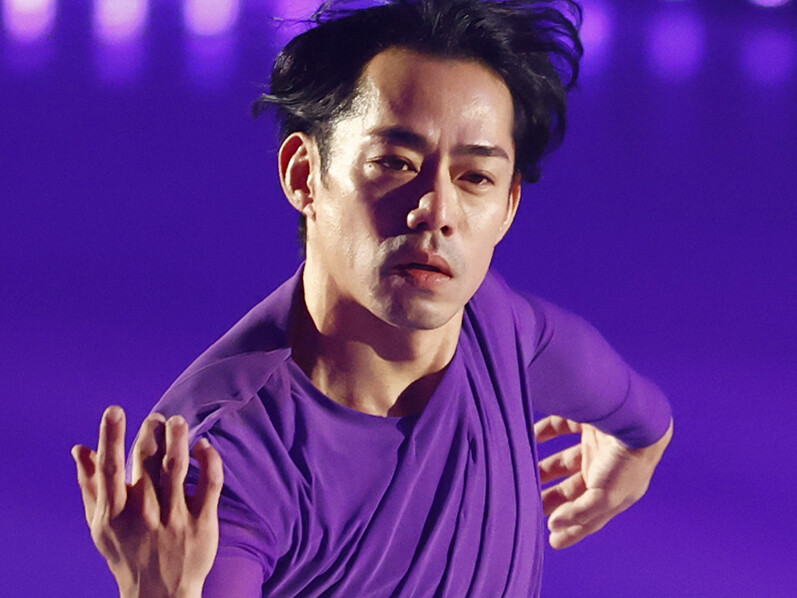
 . But the way he moves is just so passionate and special:
 (but less ideal camerawork):


 sportiva.shueisha.co.jp

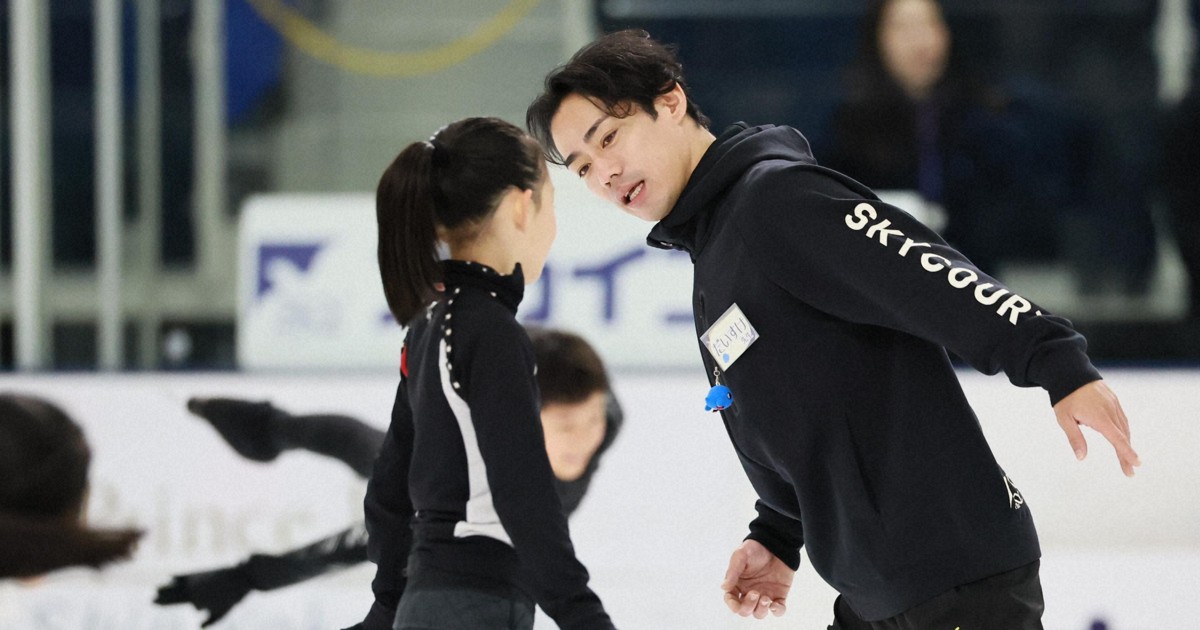
 trying to help the kids with the La La Land finale choreography
  :
:


 :
:
 )
) Admission Gift



 ).
).


 Theater Information
 Now Showing
 Friday, September 19th




 :
:





 :
:



 :
: :
: ):
): ):
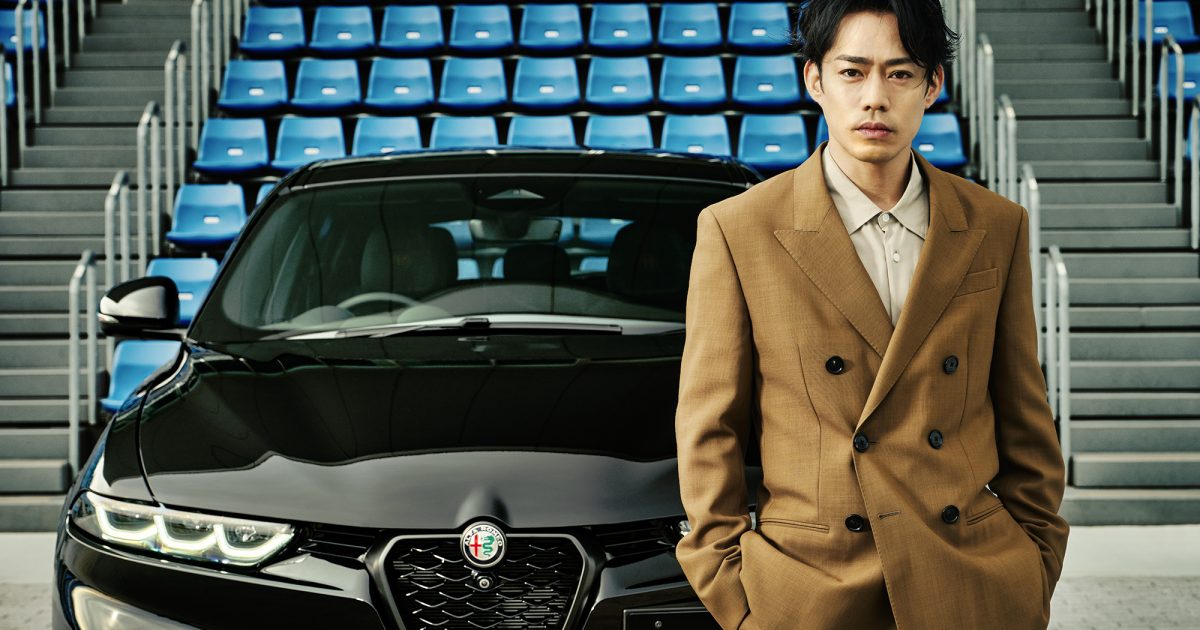
): , I found myself moved to tears by Daisuke Takahashi's footwork, watching in awe at what truly are the world's finest steps. It struck me how his technique transcends genres – that affinity with Japanese dance, or rather, the incredible precision in “Sagi Musume's” twizzle... it proved that a single, utterly honed skill transcends boundaries.






 :
: (And I'm sorry to bring this up, but in this context, I'm particularly angry at the keyboard warriors who vandalized Dai's Instagram account a few weeks ago.)