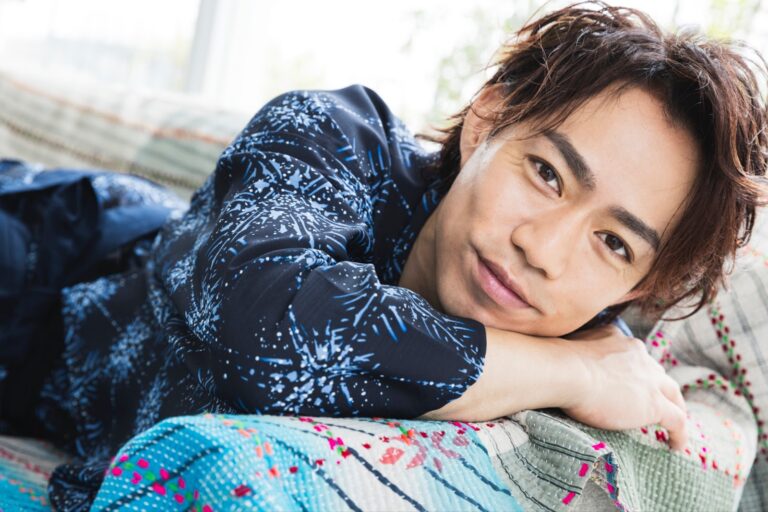
Dai-chan modeled kimonos/yukata for a series of styling articles by kimono stylist Yakushinji Kaoru. Dai is the first male guest in the series and this edition is appropriately called "Yukata for men with sex appeal".


Part 1:
着物スタイリスト・薬真寺香さんによるスタイリング連載の第10弾。今回は、この連載が始まって以来初めての男性ゲスト。プロフィギュアスケーターの高橋大輔さんをお招きして、「自由に愉しむ浴衣スタイル」をご提案しました。

www.kimonoichiba.com
Yukata for men with sex appeal feat. Daisuke Takahashi ‘Kimono, why don't you try it on?’ vol.10-1
2025.06.20
This is the tenth in a series of styling articles by kimono stylist Yakushinji Kaoru. This time, for the first time since the series began, we have a male guest. Professional figure skater Daisuke Takahashi was invited to join us, and we proposed a ‘free/non-resctrictive and fun yukata style’.
Table of contents:
- Daisuke Takahashi's free and fun yukata style:
- The image of the group dance of ‘Kassouya’. A yukata with dancing goldfish tail fins.
- A yukata with snowflakes that delivers a cool feeling.
- Takahashi's mastery of beauty on the ice is likened to the eye-catching peony flower.
- Performance information
Why don't you try on a kimono?
Daisuke Takahashi wears a yukata style that he enjoys freely.
This series features interviews with people active in fields other than kimonos, who talk about their experiences of wearing kimonos under the guidance of kimono stylist Kaoru Yakushinji.
Time slip to the Showa era with the queen of mimicry! feat. MICHIKO SHIMIZU, we are joined by professional figure skater Daisuke Takahashi.
His numerous awards include a bronze medal at the 2010 Vancouver Olympics, a World Championships victory and a Grand Prix Final win in 2012 - all firsts for a Japanese male.
He is also attracting attention for his double starring role with Takahisa Masuda in the ice show ‘Hyoen 2025 - Kagamon no Yasha’ to be held at Yokohama Arena in July 2025, with Yukihiko Tsutsumi in charge of direction and SUGIZO in charge of music.
In the ice show ‘Kassouya’, which he fully produces, he focuses not only on being a performer but also on discovering and nurturing young skaters, creating an unprecedented entertainment on the ice.
For Mr Takahashi, who is expanding his field of activity, Yakushinji proposed a ‘free/non-resctrictive and enjoyable yukata style’.
She selected a yukata from Nishioka Pencil, a popular brand that brushes up traditional patterns with a modern twist from a unique perspective, and offers a choice of designs for both men and women.
"I chose the locations and outfits with the image of a relaxing time at home or a day off to enjoy hobbies at favourite places.
Yukata worn at fireworks displays and festivals are wonderful, but I think there is a sense of comfort that can be experienced only when you wear it casually on an ordinary day.
I would be delighted if you could enjoy the intersection of Takahashi's eye that draws the viewer in and his presence that transcends existing boundaries, and the atmosphere of an ordinary day" (Yakushinji).
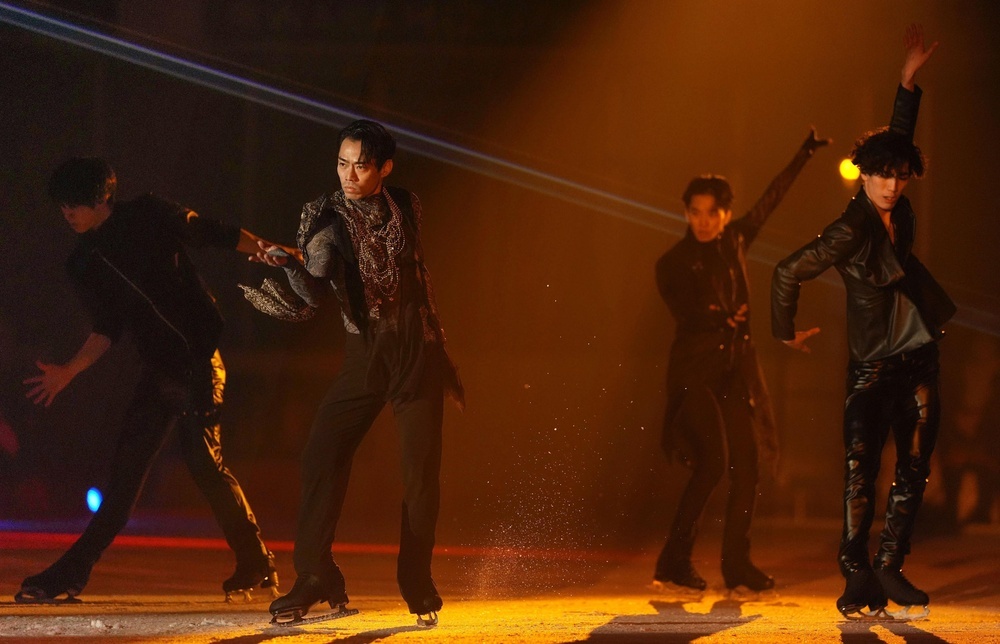
With the image of a group dance in “Kassouya”. Yukata with dancing goldfish tail fins
First, Yakushinji chose a dynamic yukata covered with goldfish tail fins. It is impressively styled with two layers of bright red and two layers of a different colour, black.
The inspiration behind the selection of this pattern came from her impression of an ice show.
"When I saw the group dance in the “Kassouya” show, I was impressed by the way the group skated on the ice like a school of swimming fish, and the costumes that fluttered in the wind like the tail fin of a goldfish, which I thought was beautiful. I chose this yukata with that image in mind.
I was really impressed by how beautiful the costume looked like the tail fins of a goldfish! The perfect yukata!
The yukata is a popular pattern that symbolises the brand, but it is also quite common for men to choose red and women to choose black. Even adults who are a little embarrassed by the goldfish pattern can easily try the caudal-fin-only design.
There is also a twist to the Hakata-ori obi, which brings out the flower-embellished pattern in the right light.
"It is a highly versatile obi that can be folded in three and used by men. It is also good that the width can be fine-tuned to suit your physique and preferences" (Yakushinji).
Yukata that delivers a cool feeling
The second co-ordinated yukata features snowflakes, which have a strong affinity with figure skating, all over the yukata.
"Although snow is a seasonal word in winter, yukata with snowflake patterns are standard and popular, and summer co-ordination using snow motifs in accessories such as obidome is also widely favoured. Playing with snow patterns and snowflake motifs can invite a sense of coolness.
"It is a sign of ingenuity and wisdom to survive the hot Japanese summer, and was already incorporated into the kimono of common people in the Edo period" (Yakushinji).
Of all the kimonos Takahashi-san wore that day, this one he liked the most for its comfort.
"I usually like shirts that have a soft, terro cotto feel to them. I really liked the soft touch of this yukata." (Takahashi)
"This yukata uses a highly functional material developed by Toray Industries, Inc. called Theo Alpha. It has gained popularity in recent years because it dries quickly even when sweating and does not require ironing after washing. In addition, the printing is done by digital textile printing, realising a highly flexible design" (Yakushinji).
Takahashi, who said he liked not only the comfort of the yukata but also the way it coordinated with his clothes, also reflected on how he usually chooses his clothes.
"In clothes, I prefer loose-fitting. I had an image that Japanese clothes had to be neat and tidy, but I like a relaxed feel."
"Of the three patterns worn today, the styling was particularly conscious of “relaxed”. The innerwear is a pair of trousers (Ground Y) with a hakama-like silhouette" (Yakushinji).
This is a coordinated look that gives a sense of security, whether he walks with his legs open or lounges on the sofa. This is a summer yukata that allows you to relax.
'This ‘Snow Mon Kaleidoscope’ and the ‘Hanabashii’ yukata featured at the end are new for 2025 by Nishioka Pencil. They were kindly tailored in Mr Takahashi's size for this shoot. "A yukata tailored to your size is easy to put on as there are no unnecessary parts. I recommend it because it makes you look beautiful and is easy to wear."
Takahashi-san, who has mastered the art of beauty on ice, is likened to an eye-catching peony flower.
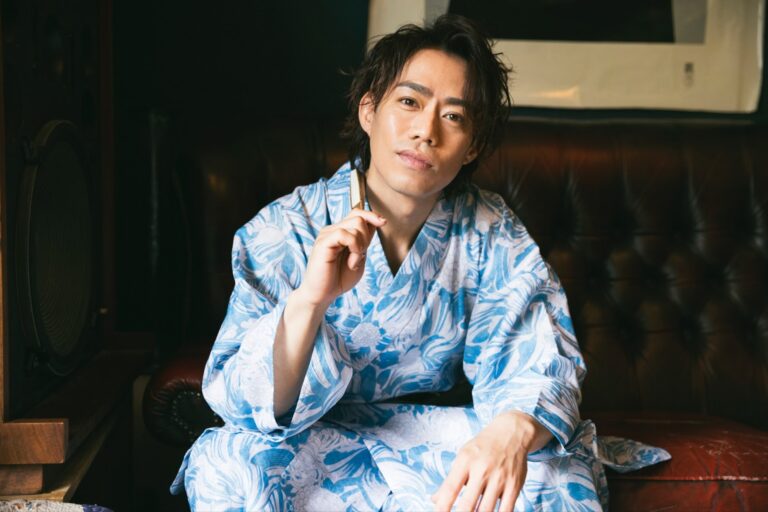
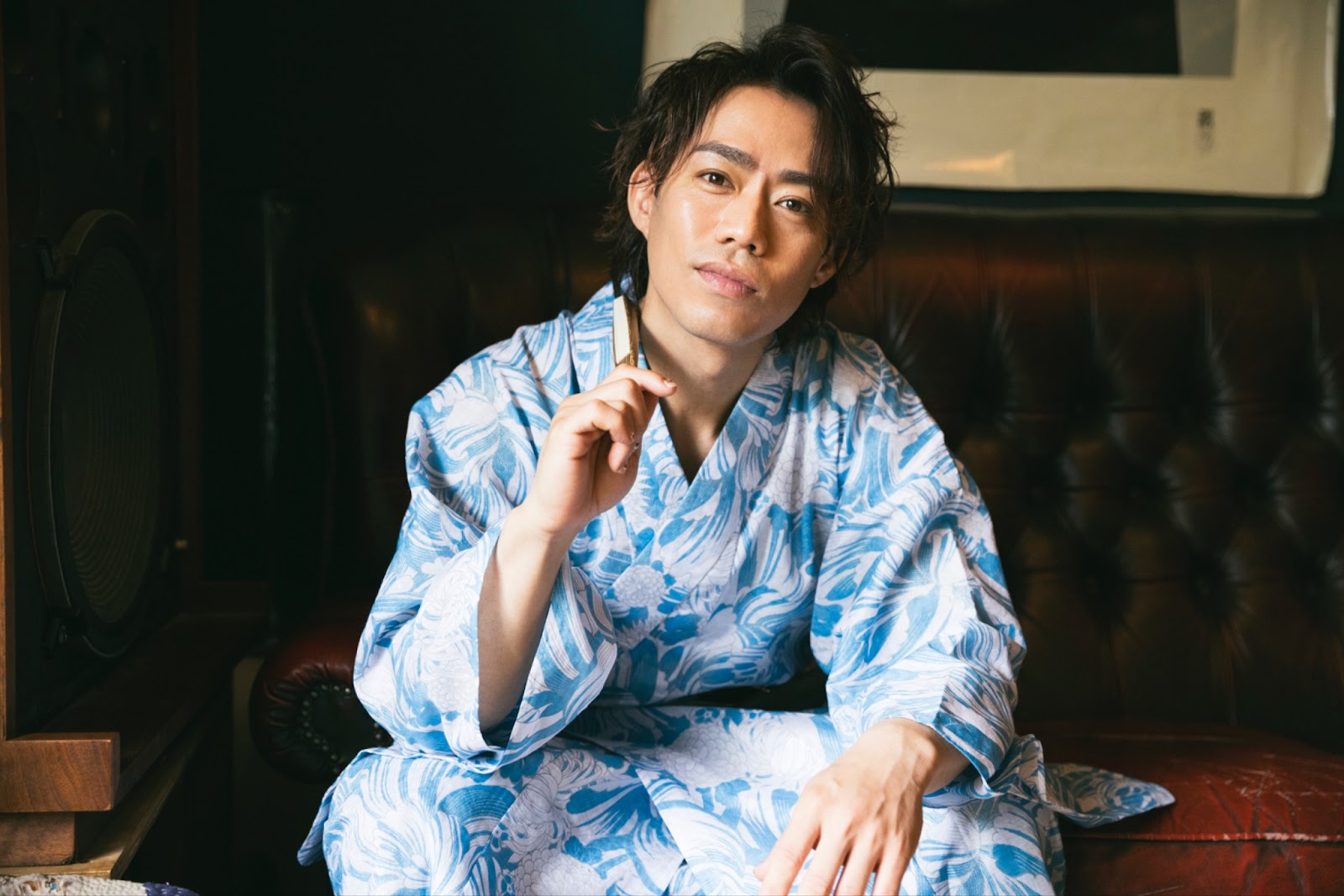
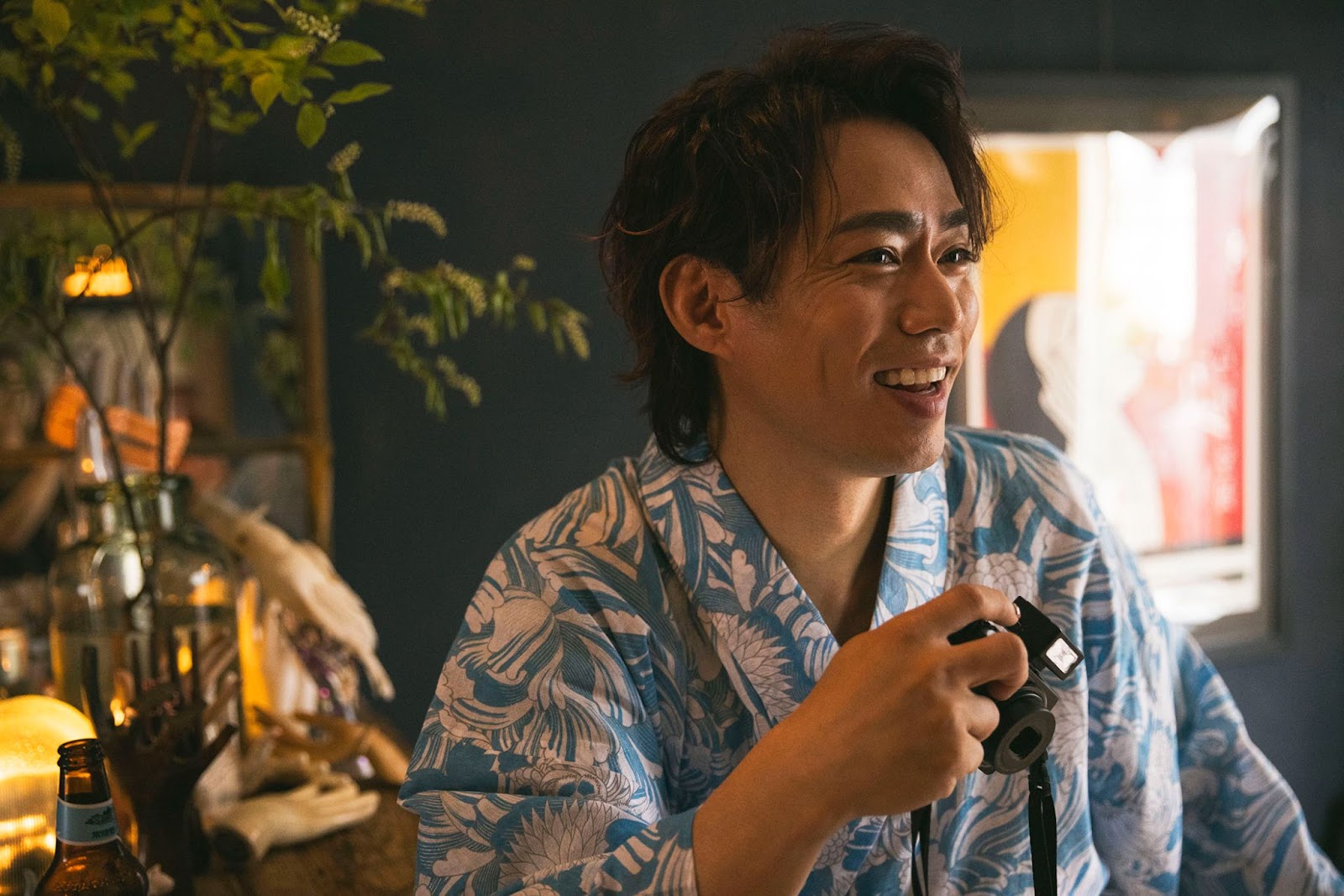
The final co-ordination is the cool white and light blue “Hanabattei” (flower-inspired). Peonies, chrysanthemums and nadeshiko are depicted in bold bloom.
"Among flowers, I really like chrysanthemums, so I'm very happy." (Takahashi)
"I see! I'm glad you're happy. The pattern is elegant and gorgeous, as befits the name “Hanazasshi”, but the peonies of the “Shima Nishiki” variety are depicted in the largest part of the pattern. It is characterised by its beautiful striped pattern and was produced in Shimane Prefecture in 1974.
"It is said to be one of the most popular peony varieties and everyone looks back on it, even if they are not peony lovers. I felt that its out-of-the-standard beauty and the fact that it is so eye-catching made it a perfect match for Mr Takahashi's image" (Yakushin-ji).
"A fan with a hand-painted net pattern from Asakusa's Bunsendo and an antique cigarette case. I used small accessories to express a sense of casualness and familiarity, as if he had just wandered into his favourite shop" (Yakushinji).
Mr Takahashi says it is comfortable and light and easy to wear, and he likes it. He wears it with a white square sash with a “flower knot” design for a summery, fresh look.
'Of course, yukata with bold floral patterns like this are great for women, but I highly recommend them for men as well. By wearing a yukata with an elegant and soft atmosphere, the sharp coolness and strength of the wearer stands out even more, and a lustrous and dignified summer look can be achieved' (Yakushinji).
"Summer will soon be in full swing. This year, I would be delighted if you could enjoy yourself even more than usual in an “ordinary day yukata” or a “relaxed yukata”." (Yakushinji)



 :
:
 www.hokkaido-np.co.jp


 :
: :
:
 ):
):


 :
:


 He visited the Hibiya Art Park in Tokyo with Kanako (and other friends):


 :
:


 ) banter:








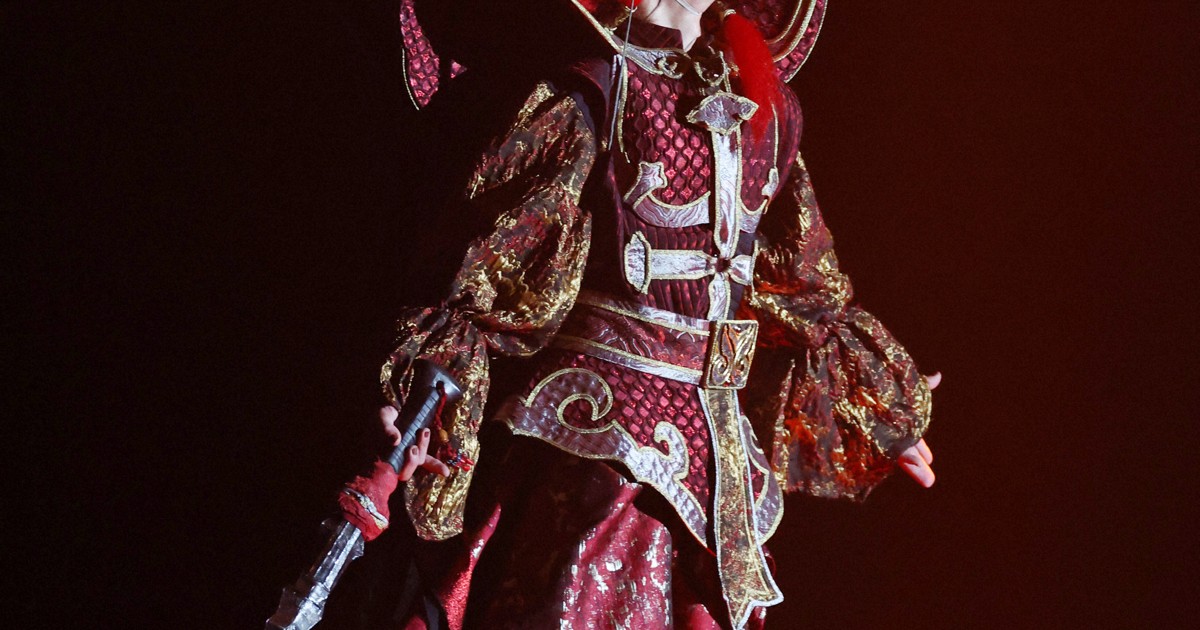


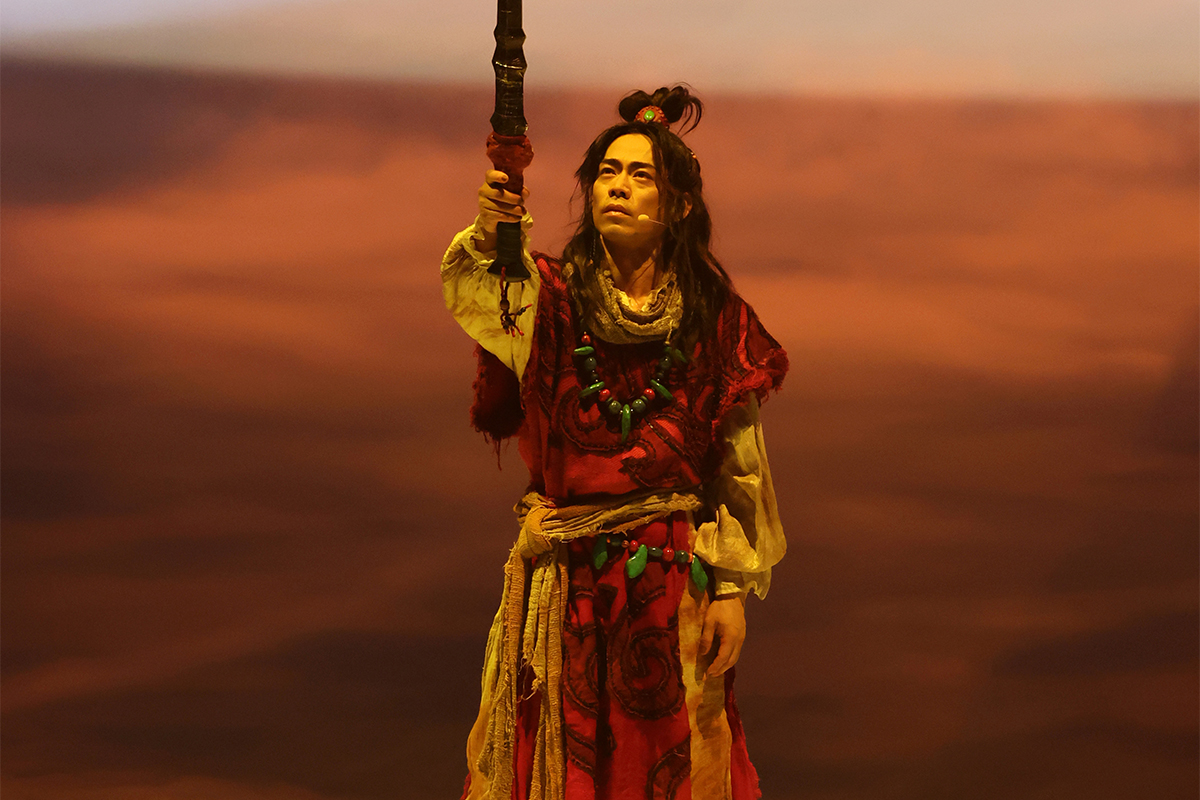
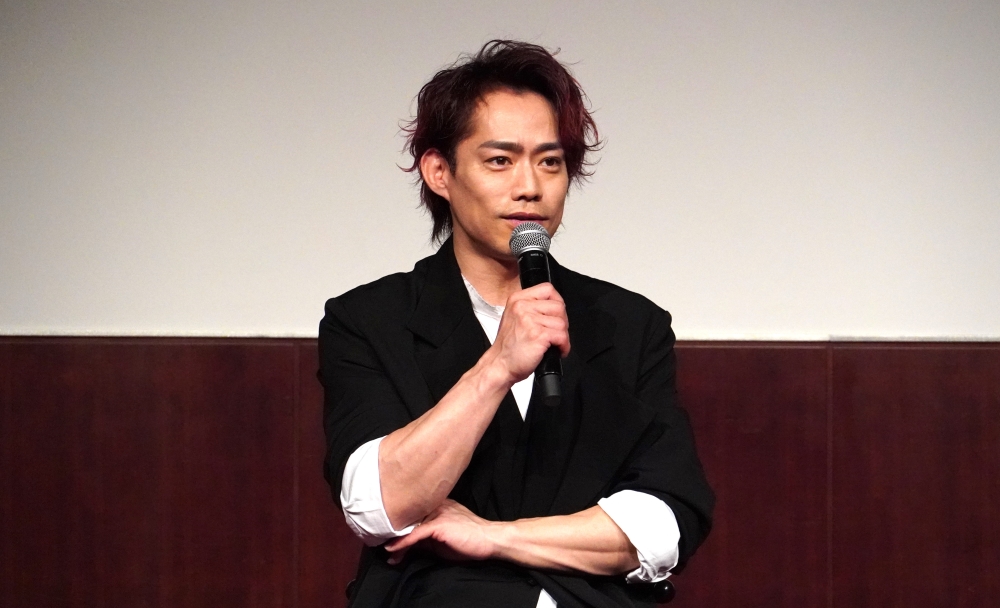
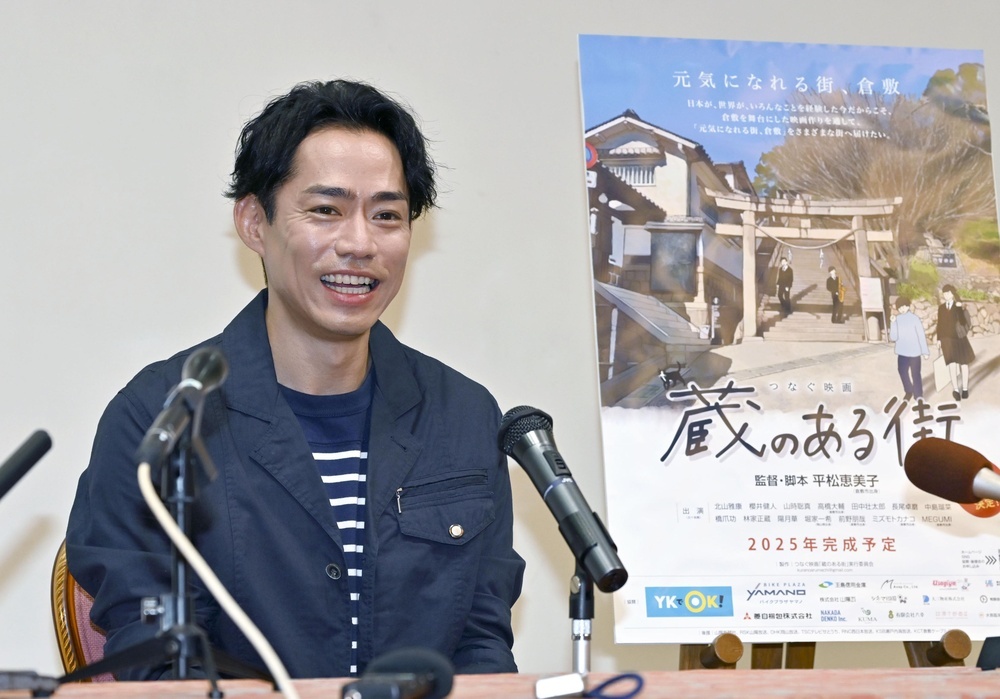
 While the buzz of Hyoen is still going strong and fans are eagerly awaiting Dai's nationwide silverscreen debut in August*, it was announced that he will be a guest dancer/actor in a stage play in conjunction with the "Nagoya Odori NEO", an annual traditional Japanese dance event, produced/staged by the Nishikawa school of Japanese dance. The performance is to take place in October at the Okaya Koki Nagoya Public Hall:






 River Boat Parade to be held
 A train wrapped around the theme of the movie #KuranoAruMachi will be in operation!
 Operation period: 7/24/2025 - 4/30/2026
 Departure ceremony: 7/24 (Thu) 14:50-
 days left until MOVIX Kurashiki pre-release!
 Filming location #Kurashiki
 days left until the pre-release at MOVIX Kurashiki!

 days left until the pre-release at MOVIX Kurashiki!
 ) and the forthcoming official nationwide movie release. (I'm amused that the headline points out that Daisuke has a "rare" appearance in glasses
  ):
):
 ):
):