Step sequences don't exist anymore, seeing as actual steps are literally banned from counting for anything and only turns matter now (and only when utilized in a simultaneously predictable and aesthetically nonsensical manner).
There have been zero choreographically perfect footwork sequences after 2014, and not many that are artistically relevant. There are plenty that can be described as technically capable, but doing technically difficult movements with little sense of artistic purpose is not dance. That's just a workout routine.
IJS footwork sequences were generally most pleasing in the 2005-2007 era. There are some great ones after, but they started losing shape and purpose after the formative years, instead cramming in turns for the level. 2011 is when it started getting bad, with the removal of an entire element from SP's and people instead doing one big formless footwork. The early IJS sequences had a better sense of body movement, rhythm, musicality, showmanship, and speed.
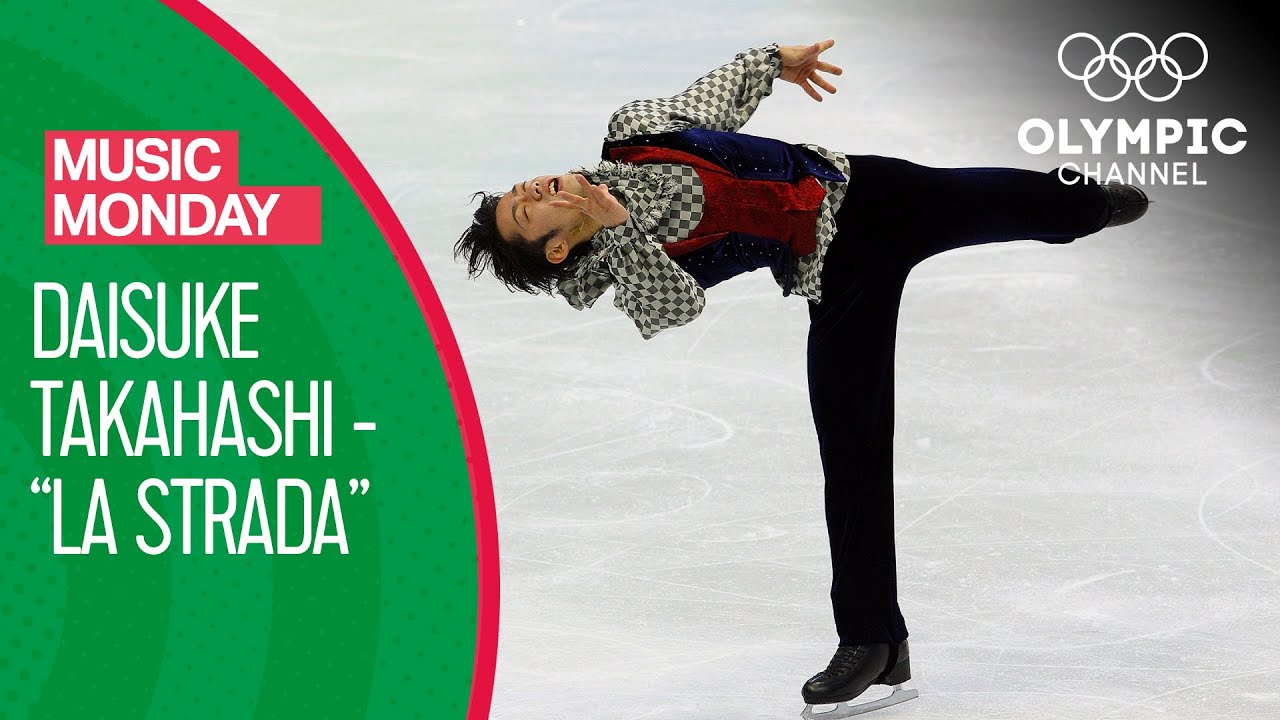
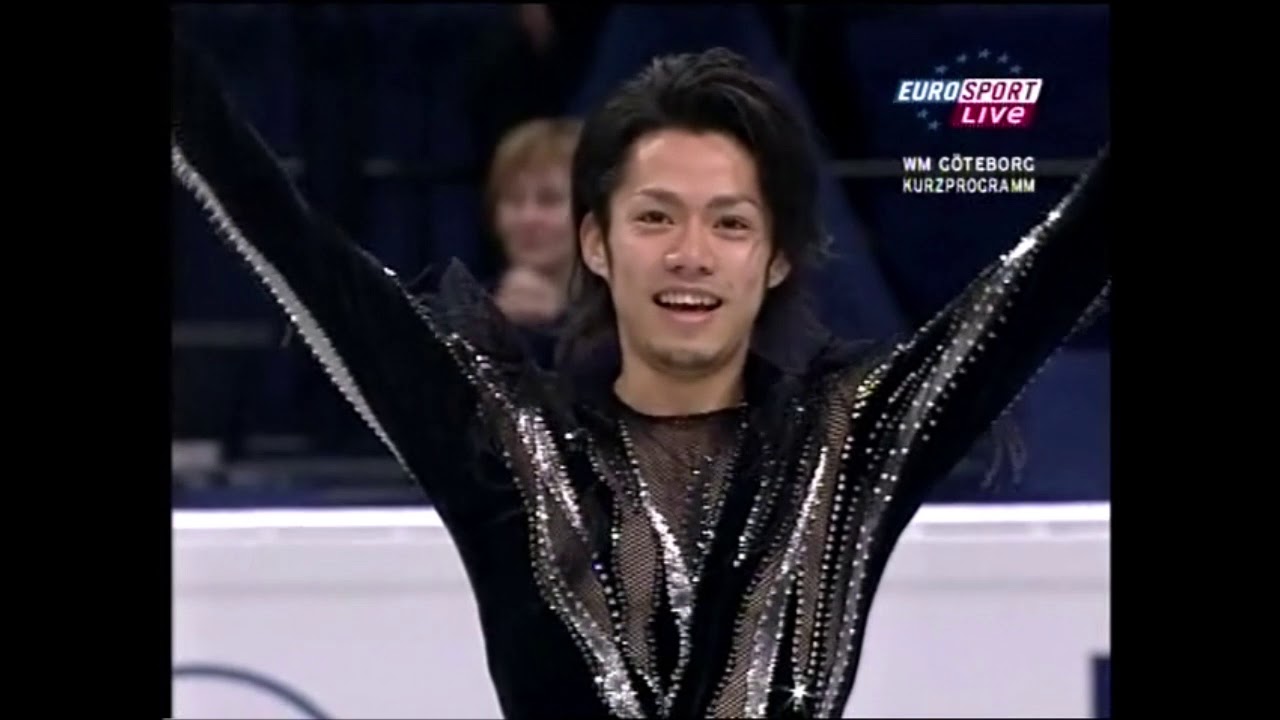
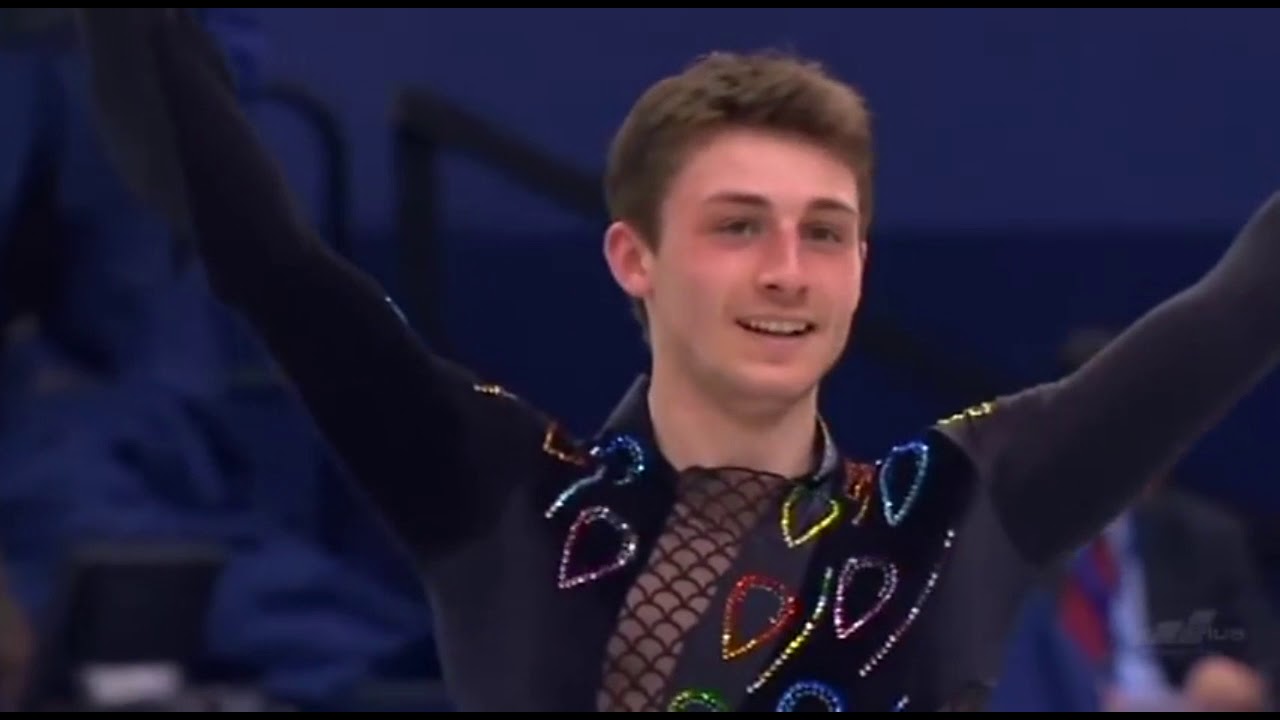
Lambiel, Takahashi, Savoie, Weir, Buttle, Plushenko were some of the best. Sasha Cohen's 2006 Olympic footwork also fits the bill, and yes she did have edges. Not deep edges, but that's not needed. Interpretation, momentum, and creating interesting shapes is what the goal should be for footwork.
Dick Button's analysis of Yu-Na Kim's underwhelming footwork sequence from her 2008 LP is spot on, and applies to most footwork these days:
https://www.youtube.com/watch?v=hwgqIso3ZEs&t=324s
"That footwork was really not aggressively fast or terrific. It had a lot of different moves, all the changes, the brackets, the rockers, the turns, that sort of thing. But it did not inspire as a straight line footwork."
Yu-Na Kim's footwork in her 2007 programs was excellent, with both fast pace (the SP) and slower pace (the LP). Those footworks interpreted the music and had a clear purpose and form. They existed to look good and bring texture to the programs. Not to do random turns for superficial technical requirement. Her footwork choreography got better again after 2008, particularly in her 2011, 2013, and 2014 Long Programs, but the relative brevity of those 2007 sequences is more frequently how a footwork sequence should operate.
Patrick Chan's best footwork is seen in his 2010 Worlds SP. It has an unbroken driving momentum that goes exactly with the music, masking his lesser expressive capability with a "barrage of edges and sound" as Kurt put it, but still having the most outright attack he ever showed. His 2011 SP footwork is so overrated. The pattern is a mess, there's a lack of leg extension, a lack of using different planes of movement, an ignorance to the highlights of the music, little cohesive concept in the turns and steps used, and not enough joy. There are a couple hints of playfulness thrown into that footwork, I like those parts, but the rest is a NO.



 when I postulate

 youtu.be




 I'll be back later!