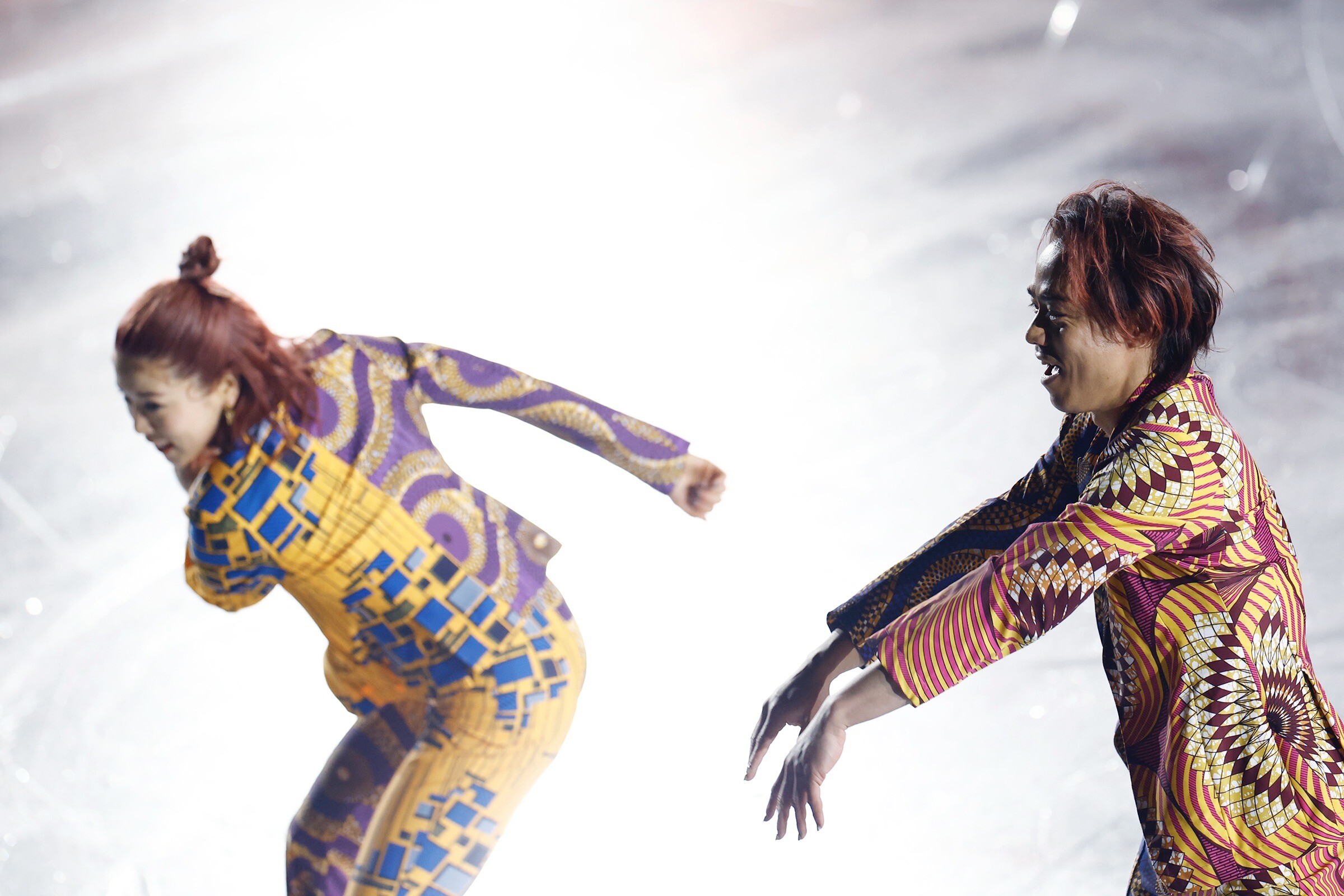
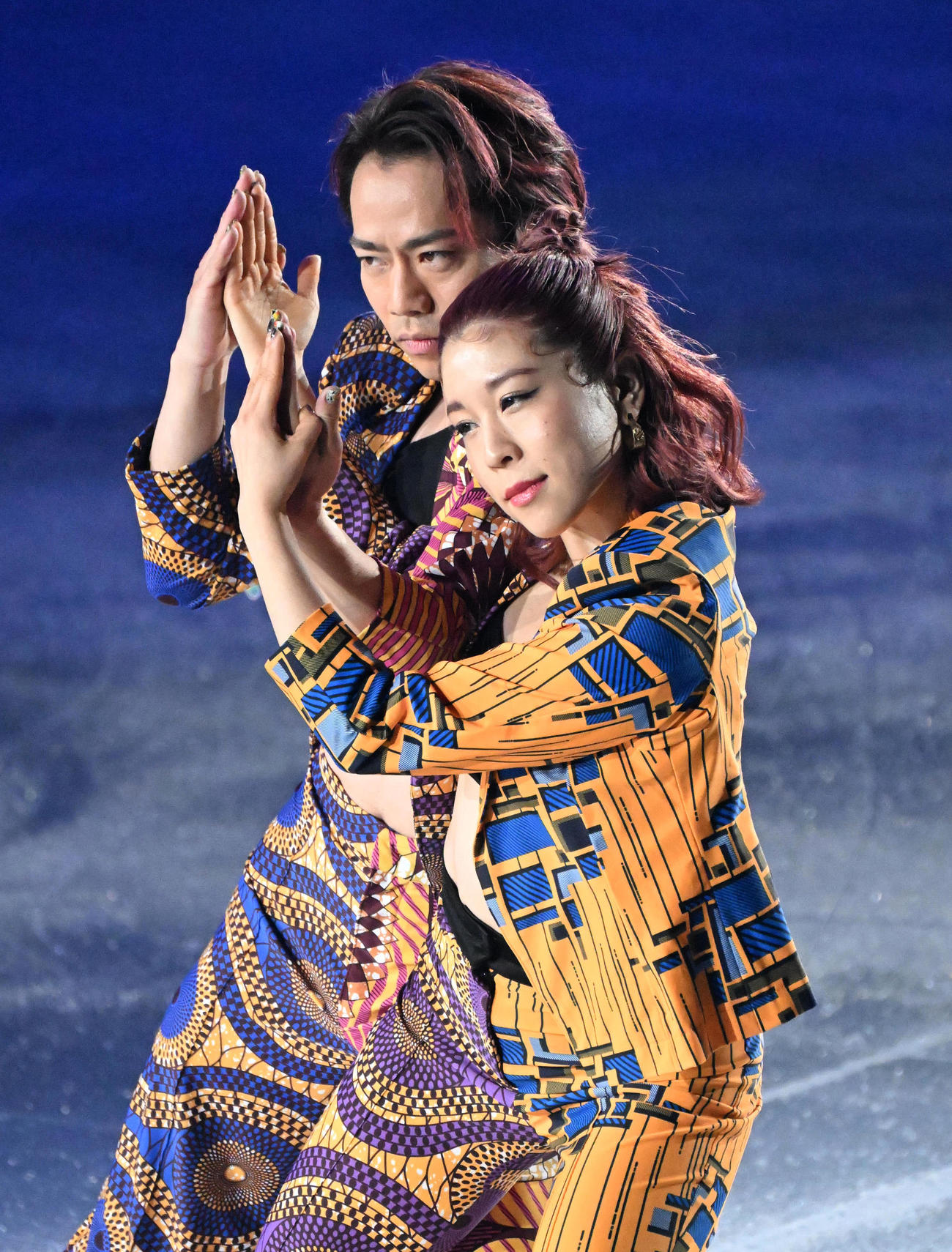
The Answer interviewed Kana and Dai, among other topics, about Stars on Ice - at this point they didn't or couldn't reveal much about the collaboration yet:
Part 1: https://the-ans.jp/column/518739/
Daisuke Takahashi is still inspired by Mao Asada, and feels that she has changed over the past few years: ‘Compared to when I was an athlete...’ Kana Muramoto is also looking forward to performing with her.
2025.03.24
Author : THE ANSWER Editorial Department, Hideaki Kambara
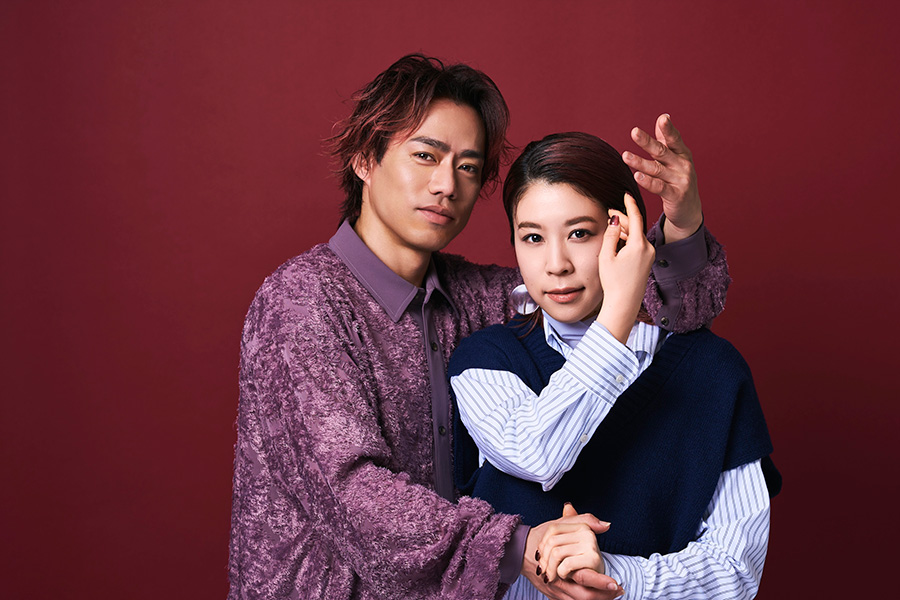
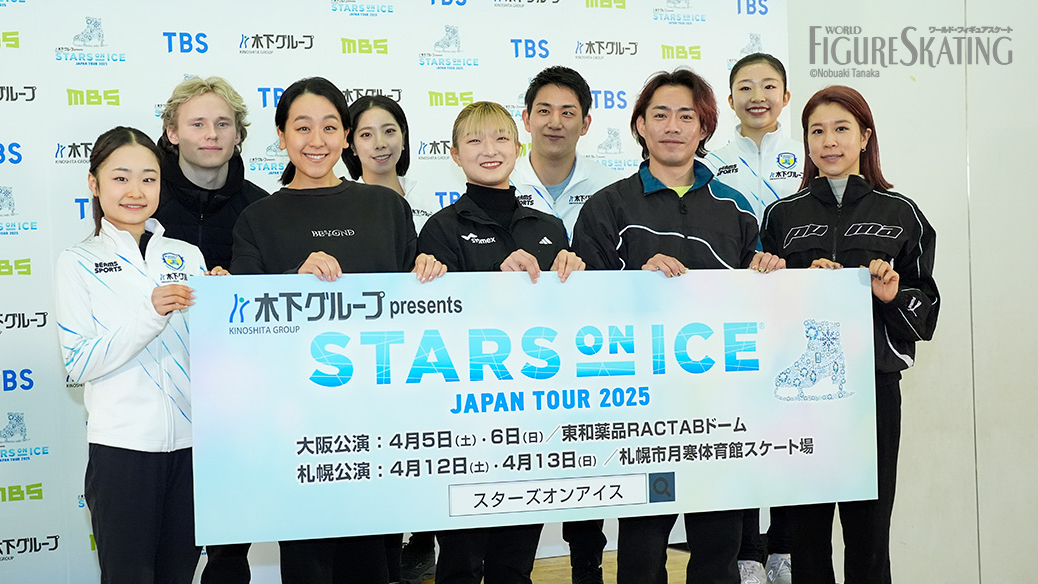
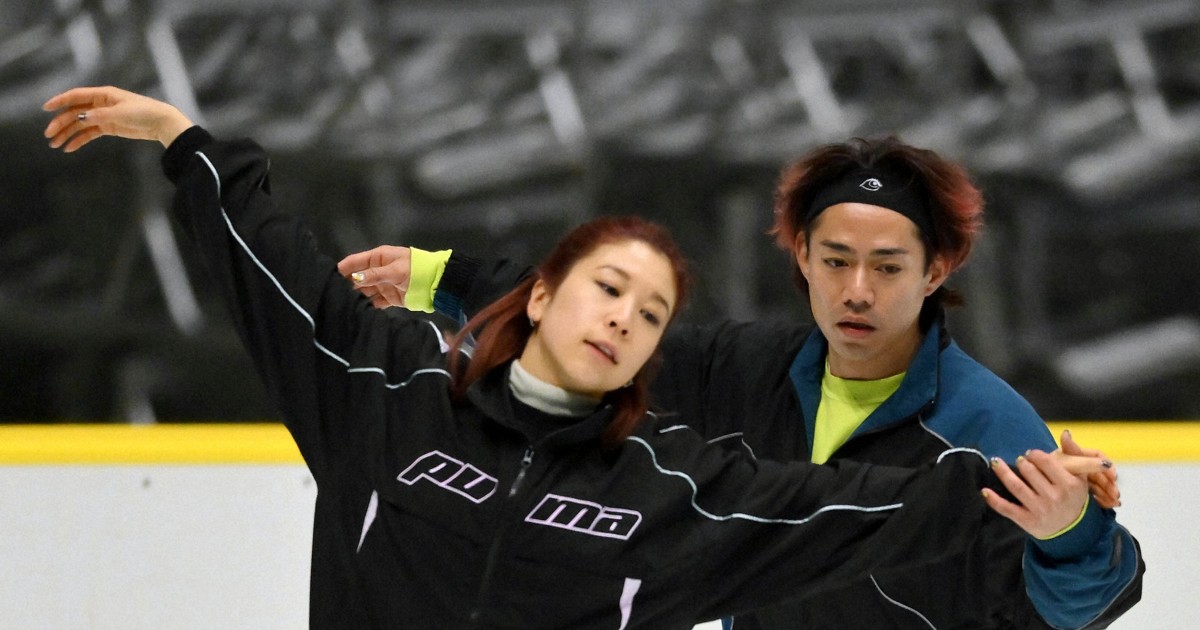
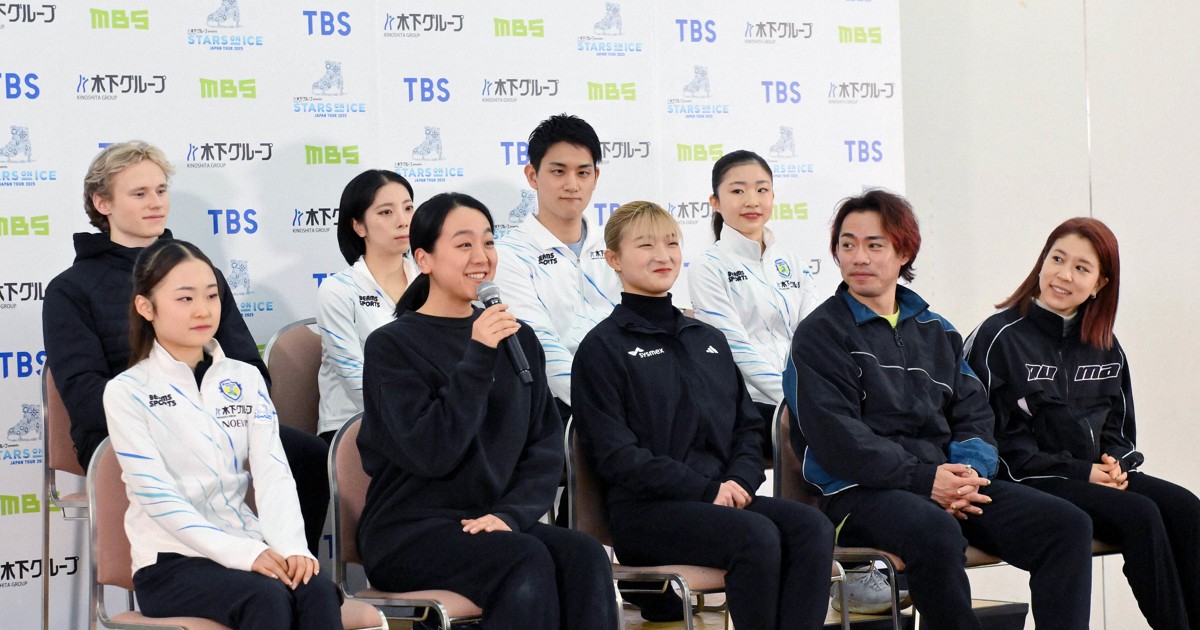
Muramoto Kana and Takahashi Daisuke, professional figure skaters and ice dancers, were interviewed by "THE ANSWER" and talked about the appeal of ice shows, which are their current main field of expertise. They were active for three seasons from 2020-21 and won the All Japan Championships in 2022. KanaDai, who has attracted attention to ice dancing and continue to challenge themselves even after retiring from competition, explain the world of shows, which is different from competitions, based on their own experiences. They are looking forward to performing with Asada Mao in the ice show "Stars on Ice" on the 5th and 6th of next month.
Interview with Kana Muramoto & Daisuke Takahashi, Part 1: April: ‘Stars on Ice’ with Mao Asada.
--Figure skating is divided into two types of events for fans to watch: competitions (tournaments) and ice shows. What is the appeal of performing in an ice show for skaters, and what do ice shows have that competitions don't?
Takahashi: "In competitions (rules), what you have to do is fixed, but in ice shows there are no restrictions, so there is a lot of freedom and the skaters can show what they want to show."
Muramoto: "That's the kind of freedom they have, so they can do anything. It feels like freedom. They have expressiveness that you never see in competitions. I see each skater with new discoveries, like, 'I didn't know they could express themselves like this!' The lighting and music are unique to ice shows, and you get the feeling you're in a totally different space from a competition. It may be a little different from a (theatrical) stage, but I think it's entertainment. The collaborative numbers where top skaters who usually compete (in competitions) skate together are also unique to shows. They don't often get to skate an entire song together with other skaters, especially as a group, so that's what makes it interesting."
Takahashi: "There are also many different ice shows, and the atmosphere is completely different. The way of presenting is also completely different. In particular, 'Stars on Ice' has had a North American style atmosphere for a long time. North America has a powerful style of expression and music, which is unique to 'Stars on Ice'. As veteran and young skaters come together to perform together, young skaters can also learn a lot from skating alongside the veterans. As a skating fan, you can enjoy being able to watch the skaters you've supported for a long time and the current stars you support at the same time."
--In the context of entertainment, I think ice shows can be an extension of going to see live music, theater, or musicals. Ice shows are also unique in that they combine art and sport. Are there any common elements that entertainment fans can enjoy?
Takahashi: "I think there are definitely some commonalities between music, lighting, and movement."
Muramoto: "It depends on the song, but there are some numbers where you can shout 'Hoooo!' and get excited like at a live show."
Takahashi: "Also, in the same ice show, each skater has their own worldview, so you can enjoy different worldviews. I think you can really feel the immersion when you see the performance condensed into 4 to 5 minutes."
--On the other hand, are there any challenges that are unique to ice shows?
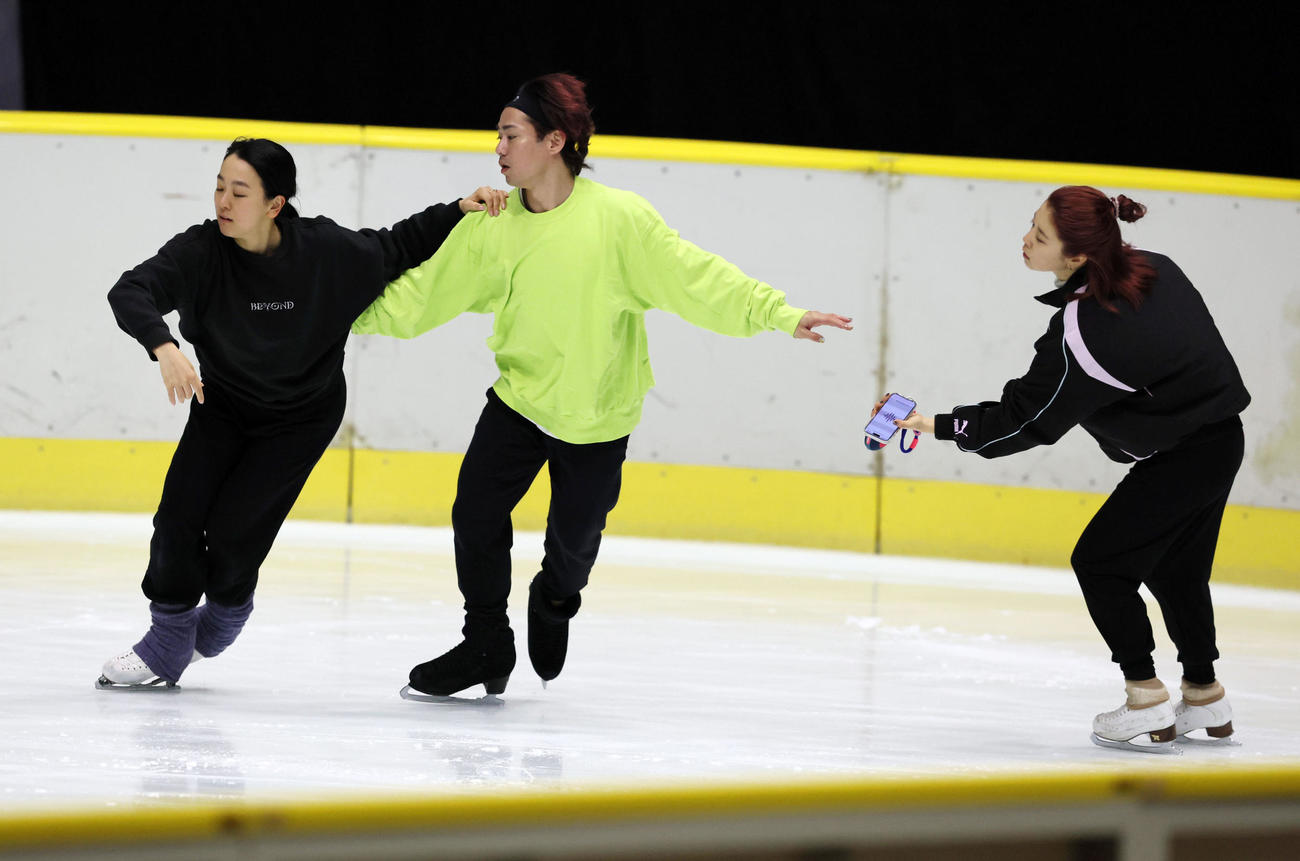
Takahashi: "The preparations are quite tough (laughs). Skaters come from all over the world, so we don't have much time, and we only have two or three days to rehearse, and we have to memorize the group numbers. We have to cram everything in in a really short amount of time, so we work hard from morning to night before the performance."
Takahashi sees Asada's growth, and this show "will show things we've never seen before."
--What are the highlights of your performance in "Stars on Ice," which you'll be appearing in next month?
Muramoto: "This time, we've prepared two programs, which are completely different worldviews. If you have a chance to see both, I think you'll be able to see the fun of how the same team can express completely different worldviews."
Takahashi: "That's right. The costumes are made to match each worldview, and the makeup and hairstyles are also changed. The most important thing is to make the viewers think, 'I want to see it again.'"
Muramoto: "As for the show overall, it's definitely Mao (Asada)."
--Mao Asada is making waves as she will be appearing for the first time in nine years. Takahashi and her have often overlapped in competitions and ice shows in their active days, so it seems like it will be a very rare opportunity to perform together on the same stage again. How are you feeling?
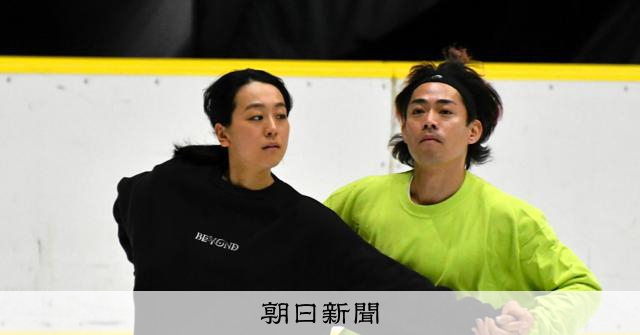
Takahashi: "It's been a really long time since we did a group number together, so I'm really looking forward to it. Mao and I both started producing ice shows, and she herself has absorbed a lot of things in the last few years, and when I actually went to see her skate, I thought ‘she's amazing’ and she is still growing. I also ‘clash/compete’ with her in a good sense, and wonder what kind of world view we can create together. Mao and I are now discussing what kind of performance we will create. I think a special collaboration will be born, so please look forward to seeing something you've never seen before."
--In your opinion, Takahashi, in what specific ways do you think Asada is "still growing"?
Takahashi: "She has really improved the way she shows off compared to when she was an athlete. She is really putting all her effort into 'showing' and 'having people watch'. Of course, she worked hard when she was active and that was something that came across, but I get the impression that something different is coming through now than it was back then. It really inspires me. It makes me feel like I can't afford to be complacent, so I'm really looking forward to this time."
The two ‘KanaDai’ members talked about the appeal of ice shows and looking forward to performing with Ms Asada. In the second part of the interview, they reveal their reasons and passion for performing through ice shows. They also revealed their thoughts on the future of figure skating and the spread of the sport.
Part 2:
フィギュアスケート・アイスダンスのプロスケーターとして活動する村元哉中さん、高橋大輔さんが「THE ANSWER」のインタビューに応じ、現在の主戦場とするアイスショーの魅力を語った。2020-21年から3シーズン活動し、2022年全日本選手権で優勝。アイスダンスの注目を引き上げ、競技会から退いて以降も挑戦を続ける“かなだい”は、今もアイスショーを通してパフォーマンスを披露する理由と情熱について吐露。そして、これからのフィギュアスケートという競技普及と未来に向け、想いを明かした。(前後編の後編、聞き手=THE ANSWER編集部・神原 英彰)

the-ans.jp
Why Kana Muramoto and Daisuke Takahashi keep standing at the rink: ‘I want to come back again’... Passion for the future of the figure skating world at the root of it all.
2025.03.24
Author : THE ANSWER Editorial Department, Hideaki Kanbara
The Japanese figure skating and ice dancing team of Kana Muramoto and Daisuke Takahashi, professional figure skaters, were interviewed by THE ANSWER and talked about the appeal of ice shows that are now their main field. After raising the profile of ice dance and stepping away from the competition, ‘KanaDai’ continue to challenge themselves, revealing their passion and why they still perform in ice shows. They also shared their thoughts on the future of figure skating and its popularisation.
--The two of you are two of the few professional ice dancers in Japan who are active on the show stage. What is the underlying thought that keeps you focused on expression even after you have retired from competition?
Muramoto: ‘In competitions, you are bound by various rules, so the expressions you can show are limited. For example, there are all sorts of rules about the number of seconds for lifts, etc., so it's difficult to show what we want to show to the max. But in an ice show, there are no such rules at all, and we can pursue our ideas as far as we want to. That's why we discover something new every time we go to an ice show. And by taking part in ice shows, we also develop a feeling that we would like to create more of this kind of world view. In competitions, the judges give us scores, but in ice shows, of course we aim for the audience to enjoy watching, and I think the deepest part is that we can simply pursue our own world view and what we want to do.’
Takahashi: "As an active skater, your goal is to win. You choose the music while thinking about how to create a program that will help you win. But with ice shows, you have to think about how to entertain the audience while also having fun. I think young skaters are doing some challenging things with their show numbers, and as professional skaters, there are no competitions, so the only place we can show off is in ice shows.
I don't know how long I can do this, but I'll try to think of things like, "This is something I haven't done yet," or "I'd like to try something like this." I hope that this will lead to the enjoyment of the audience. Those who have been watching for a long time will be excited to see what we will perform, and I hope that newcomers will think, "I want to come to another ice show." In that sense, this may be a test of my/our abilities."
--I think that such a strong feeling is rooted in your passion for the sport of figure skating. In terms of popularizing the sport, it is also necessary to increase the number of children of the next generation, or to have them take up figure skating as a hobby, as well as "adult skaters". How do you feel about that?
Takahashi: "Local rinks are gradually disappearing, and although many people watch skating on TV, there are still many who have never seen it up close. I myself am currently working on how to get people who have never seen it to come and see it. Once they see it, more and more people say, 'It was interesting' and 'I want to see it again.' Apart from popularizing the sport (through tournaments and the like), I want to create many opportunities for a wide range of people to see ice shows.
Will the children who see it for the first time want to skate, or will the parents who see it want their children to skate? I think that will eventually lead to the spread of skating, and we need to do activities to make skating feel more familiar. I think about that every time I skate in an ice show or when I produce a show myself. I feel like I'm always exploring and attacking from various angles."
Performances that make you truly glad you came to see them.
--What about you, Muramoto-san?
Muramoto: "I also run figure skating classes. When I was little, I didn't really have any opportunities to learn from top skaters, so I think I'm able to help a little in that regard. But I'm sure there's still more I can do. The quickest way to convey the greatness of skating is to have people come and see shows like Stars on Ice, including the show that Dai-chan is producing. We need to build things up one step at a time, by having people come to see our shows and attend our skating classes. I think that will continue to be a challenge for us."
--In fact, ice shows also help active skaters by helping their fans support their competitive careers, as the performance fees help support their sporting careers. Ice shows have a lot of meaning for skaters, don't they?
Takahashi: "When I was younger, I didn't appear in many ice shows, but gradually I was able to appear in more and had a lot of experience. Being able to feel the audience's reaction live made me realize things like, "Is this what they want from me?", and being able to watch other people's skating made me realize, "Is this the kind of skating that makes the audience happy?", and I made many discoveries. That's how important it is for skaters to skate in front of an audience. Young skaters can unknowingly feel and develop their own style, and grow together with the audience. That's what I did myself. The expressions and the way the performance is presented are different from competitions, so fans can discover many things, and it's also an opportunity to think, 'I want to support this skater."
Muramoto: "In competitions you tend to appeal to the judges (who sit in one corner), but in ice shows, you appeal in 360 degrees, and even to the upper seats (of the audience). In this context, not only do we have to improve the level of perfection and link it to the competition, but we also have to give a performance that makes the audience truly happy that they came to see the show, because they are paying to see the show itself. That's why our enthusiasm for the ice show is probably a bit different from that of the competition. It's a lot hotter, so I hope you can feel that."



 :
:


 :
: :
:



 :
: ️
️
 .
. :
:
 I cut the show so that it contains mainly Kana's and Dai's parts (the best moment was when Kana switched to English in the "Aishiteru" game to confuse her "opponent"):
 4/5(Sat)6(Sun) in #Osaka

 Flowers
 in their hair and outfits


 SP collaboration number is here




 10 days to go
 .
.











 )
)